Enchanting Kenyan Sights to See
Kenya enchants travelers with its dramatic savannas, wildlife spectacles, coastal paradises, and ancient peaks. Its places blend raw natural beauty with deep cultural and historical layers, from prehistoric human origins to colonial legacies and indigenous traditions.
Masai Mara National Reserve
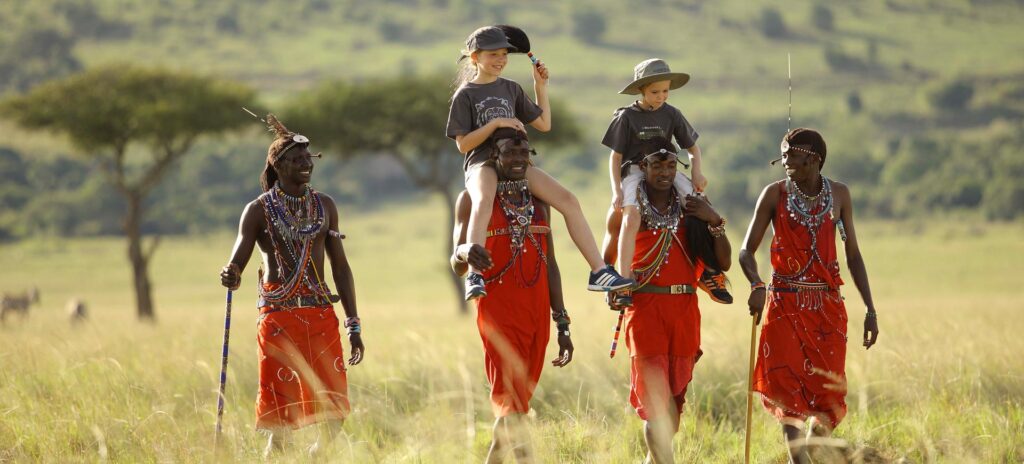
Established in 1961 as a wildlife sanctuary, Masai Mara spans 1,510 sq km in Kenya’s Rift Valley, named after the Maasai people whose semi-nomadic pastoralism has shaped the region for centuries. Its significance lies in hosting the Great Migration—a UNESCO-recognized natural wonder where 1.5 million wildebeest and zebras thunder across from Tanzania’s Serengeti (July-October), sustaining predator-prey cycles vital to East African ecology. Colonial-era hunters once decimated herds here, but post-independence protections revived it into a Big Five haven—lions, elephants, leopards, rhinos, buffaloes—while Maasai manyattas offer living history of warrior rites, cattle herding, and intricate beadwork symbolizing social status.
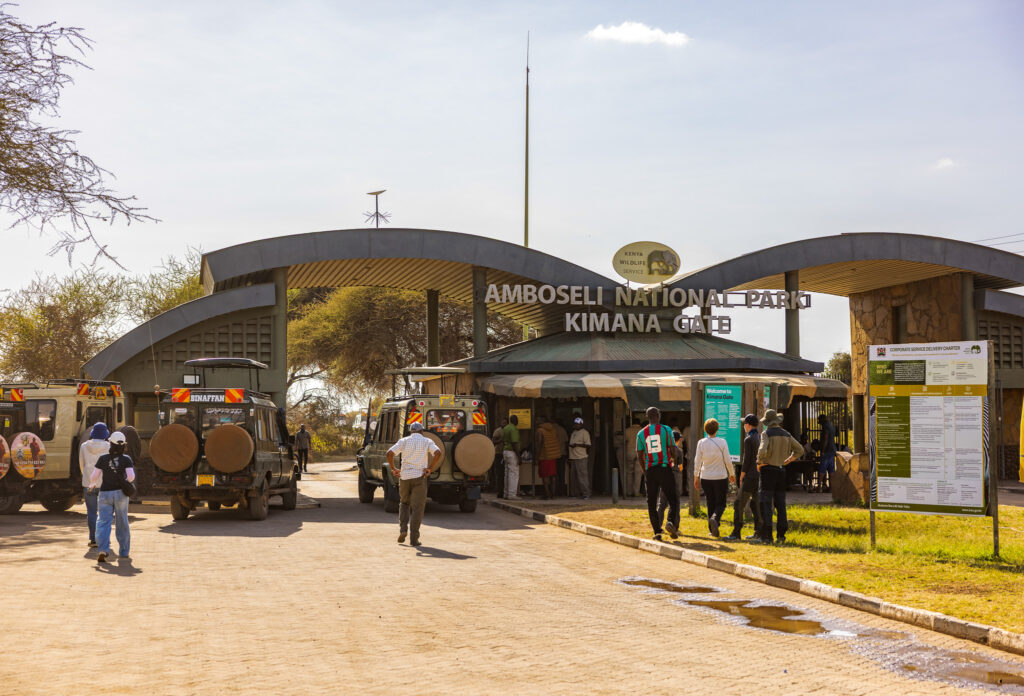
Amboseli National Park
Created in 1974 from a former Maasai grazing area, Amboseli (meaning “salty dust” in local dialect) covers 392 sq km at the foot of Mount Kilimanjaro, whose melting glaciers feed its swamps—a lifeline established over millennia. Historically, it served as a migration corridor for tribes and wildlife; British colonialists prized it for trophy hunts until bans in the 1970s preserved elephant matriarchies now numbering thousands, symbolizing conservation triumphs against poaching. The park’s backdrop of Africa’s highest peak adds mythic allure, with ancient lava flows and over 400 bird species underscoring its geological and biodiversity significance for evolutionary studies.
Lake Nakuru National Park
Gazetted in 1961 primarily to protect flamingos, this 188 sq km Rift Valley gem shrank from drought but rebounded, becoming a rhino sanctuary in the 1980s amid near-extinction efforts. Its soda lake, part of the Great Rift (Earth’s longest fault line, 6,000 km), formed 10 million years ago from tectonic shifts, fostering hypersaline waters that bloom algae feeding millions of lesser flamingos in pink spectacle. Significance peaks in its role as a black and white rhino breeding ground—over 100 now roam fenced areas—plus leopards in yellow acacia fever trees, marking a conservation success story intertwined with human settlement since Stone Age fossils nearby.
Top Attractions Comparison
Place | Historical Note | Significance | Best Time | Key Activities |
|---|---|---|---|---|
| Masai Mara | Maasai homeland since 1700s | Migration ecology hub | Jul-Oct | Game drives, cultural visits |
| Amboseli | Colonial hunting ground to sanctuary | Elephant conservation icon | Jun-Oct, Jan | Walking safaris, Kili sunsets |
| Lake Nakuru | Flamingo refuge since 1961 | Rhino recovery site | All year | Boat safaris, baboon cliff hikes |
Coastal Gems
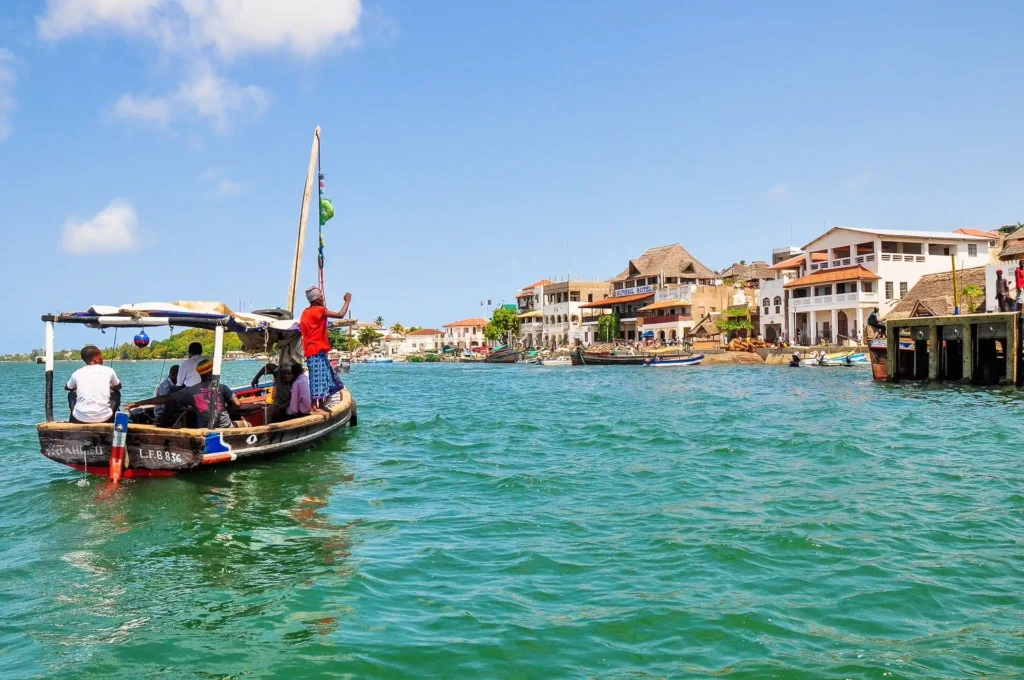
Diani Beach, south of Mombasa (Kenya’s oldest city, with 12th-century Swahili roots from Arab-Persian trade), features coral reefs formed 5,000 years ago, now a marine park safeguarding dugongs and turtles—significant for Indo-Pacific biodiversity. Lamu Archipelago, a UNESCO site since 2001, preserves 14th-century coral-stone mosques and palaces from Omani sultanates, embodying Swahili coastal heritage against modern tourism pressures.
Mount Kenya National Park
Proclaimed a UNESCO site in 1997, this 588 sq km park encircles Africa’s second-highest peak (5,199m), sacred to Kikuyu people as Ngai’s abode—creation myths tie its glaciers to life’s origins. Formed 3.1 million years ago as a stratovolcano, it hosts endemic species like the Mount Kenya silvertip shrew; colonial climbers like Halford Mackinder summited in 1899, spurring global mountaineering while highlighting indigenous knowledge.
Lamu Island and Nairobi Highlights
Lamu’s pre-colonial donkeys and dhows reflect 1,000 years of Indian Ocean trade, contrasting Nairobi—Kenya’s 1902-founded capital, blending British colonial girders with Maasai markets and the Nairobi National Museum’s hominid fossils from nearby Turkana, cradle of humanity with 2.5-million-year-old footprints.
Practical Tips
Combine 10-14 day itineraries: safari circuits via light aircraft from Nairobi Wilson, then beach unwind. Book eco-lodges supporting communities; pack bush hats, binoculars, antimalarials. Respect “no plastic” bans in parks preserving these timeless landscapes.