
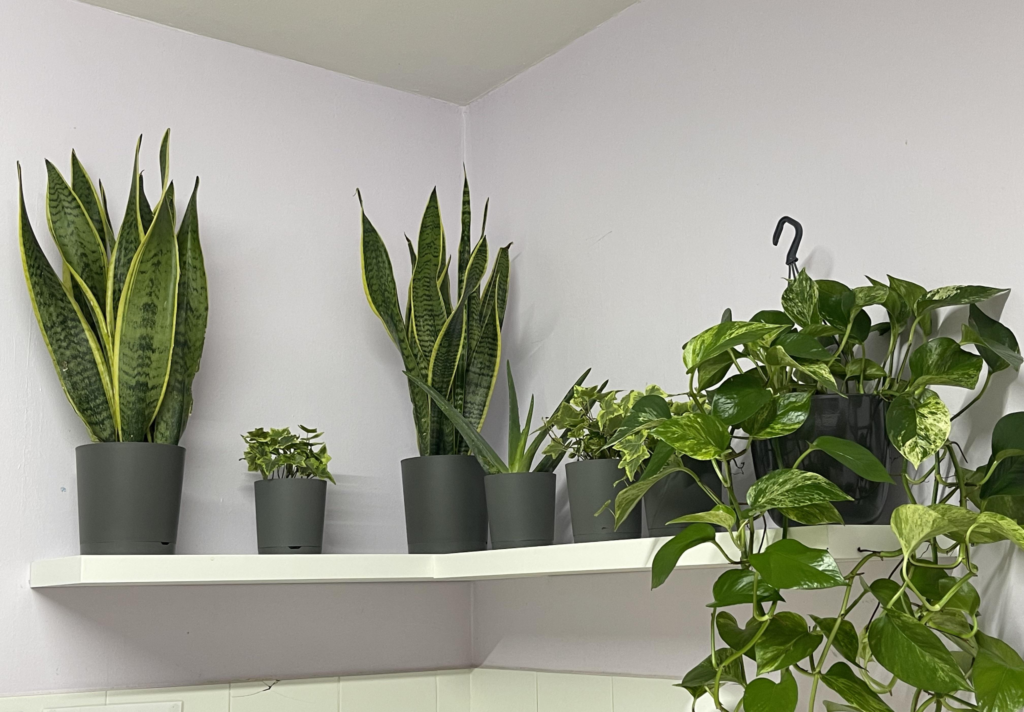
Low-light house plants thrive in shaded indoor environments, making them ideal for spaces with minimal direct sunlight like apartments, offices, or north-facing rooms. These forgiving varieties provide air purification, visual interest, and easy maintenance for beginners and experts alike. Below is a detailed rundown of the top 10 selections, covering their standout traits, care requirements, and practical tips.
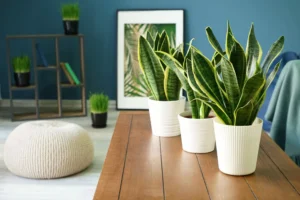
Snake Plant (Sansevieria trifasciata)
This resilient favorite features sword-like leaves in green, variegated, or golden patterns and excels at removing toxins like benzene and formaldehyde at night through CAM photosynthesis, making it perfect for bedrooms. It thrives in low indirect light and needs water only every 2-3 weeks when soil is fully dry, thanks to its drought tolerance. Use well-draining cactus mix and fertilize sparingly in spring with a balanced 10-10-10 formula; propagate by dividing rhizomes, available widely at garden centers.
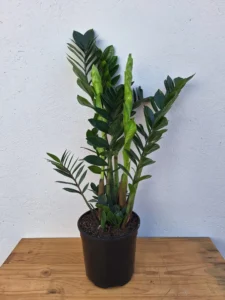
ZZ Plant (Zamioculcas zamiifolia)
Known for glossy, waxy leaves on sturdy stems, the ZZ plant stores water in tubers for exceptional neglect resistance and offers a sleek, modern look. It handles very low light—even fluorescent—and requires monthly watering after complete soil dry-out. Opt for succulent soil, skipping fertilizer the first year or using diluted feeds every three months; root leaf cuttings easily in water or soil from big-box stores.
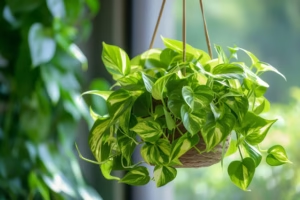
Pothos (Epipremnum aureum)
Trailing heart-shaped leaves in green or variegated forms like ‘Golden’ or ‘Marble Queen’ make Pothos a top air purifier and stress-reliever. It adapts to shade or low indirect light, watered when the top 5cm of soil dries, and rebounds from occasional overwatering. A standard potting mix with perlite works well, plus monthly liquid fertilizer in the growth season; propagate stem cuttings in water, found at most nurseries.
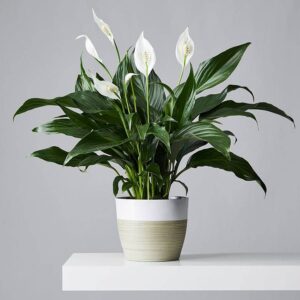
Peace Lily (Spathiphyllum wallisii)
Elegant dark green leaves paired with white spathe flowers define this humidity-lover, which droops to signal thirst and effectively reduces mold. Provide low indirect light, keeping soil evenly moist but not soggy, with weekly misting. Rich peaty soil and bi-monthly diluted bloom booster suit it; divide root clumps in spring from plant shops.
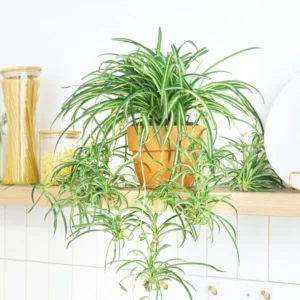
Spider Plant (Chlorophytum comosum)
Arching green-white striped leaves produce baby ‘pups,’ earning NASA praise for chemical removal while staying pet-safe. It prefers low light over direct sun, with moderate watering allowing soil to dry between. Loose potting mix and slow-release fertilizer every two months keep it happy; simply plant detached pups.
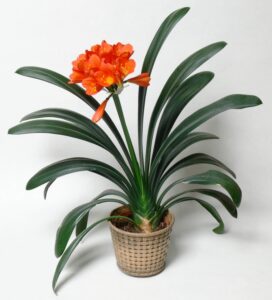
Clivia (Clivia miniata)
Strap-like leaves and vibrant orange or yellow spring blooms add bold accents to this durable plant. Shaded spots call for sparing winter water and more in summer growth, using acidic well-drained loam and post-bloom citrus fertilizer. Grow from seed or divide offsets at specialty nurseries.
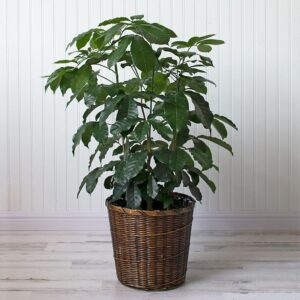
Natal Mahogany (Trichilia dregeana)
Large glossy oval leaves create a tropical screen in slow-growing, tree-like form. Deep shade suits it with even watering reduced in cooler months, in rich organic soil fertilized quarterly. Stem cuttings under mist come from tropical suppliers.
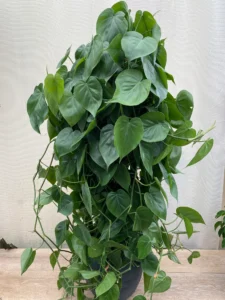
Heart Leaf Philodendron (Philodendron hederaceum)
Velvety heart leaves cascade, with varieties like ‘Brasil’ for color; it boosts mood and oxygen. Low light and watering at the top inch dry-out thrive with high humidity, in aroid mix with bark and weak monthly feeds. Node cuttings root readily from indoor retailers.
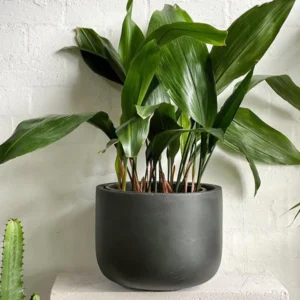
Cast Iron Plant (Aspidistra elatior)
Tough leathery leaves in dark green or speckled ‘Milky Way’ endure neglect, pests, and low light historically. Moderate watering handles dry air in humus-rich soil with minimal annual fertilizer. Divide rhizomes from established centers.
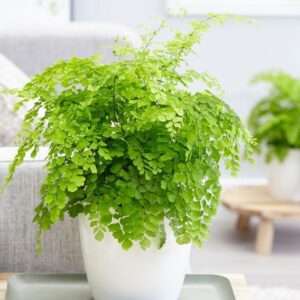
Maidenhair Fern (Adiantum raddianum)
Delicate lacy fronds on wiry black stems humidify bathrooms naturally. Indirect low light needs consistently moist peat-based soil with daily misting or pebble trays. Propagate via spores or division from fern specialists.
Essential Care Guide
Group plants to elevate humidity, rotate quarterly for even growth, and choose terracotta for airflow. Neem oil wards off spider mites or mealybugs, and mild outdoor shifts boost vigor sustainably.
Troubleshooting Common Issues
Yellow leaves typically mean overwatering—let soil dry fully. Brown tips signal low humidity—mist or group them. Leggy growth indicates insufficient light—relocate to brighter indirect spots.