
Probiotics 101: A Beginner’s Guide to Your Internal Ecosystem
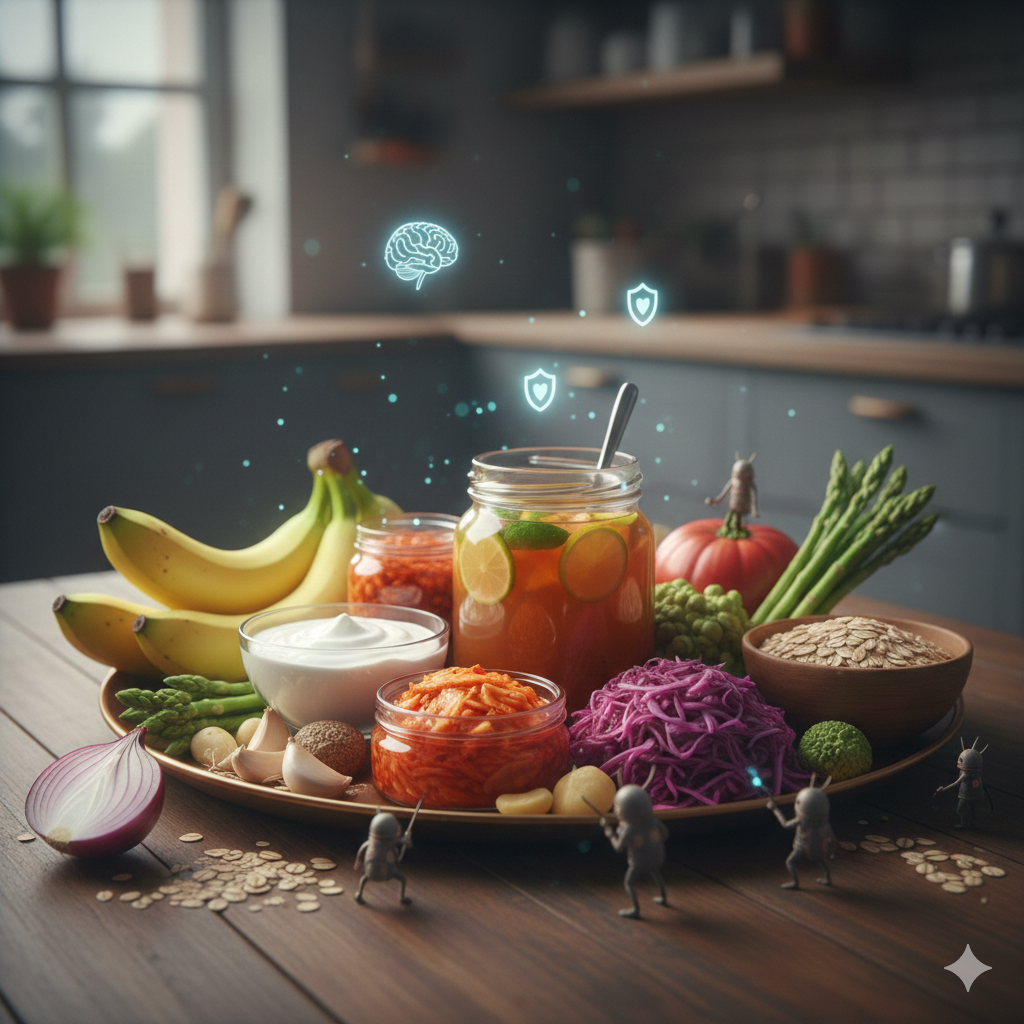
Imagine for a moment that you are never truly alone. Within your body lies a bustling metropolis of trillions of microorganisms, but the most surprising fact is where the majority of your “security force” is stationed. Approximately 70% to 80% of your immune system lives directly in your gut. This means your digestive tract isn’t just for processing food; it is the primary training ground for your body’s health and defense.
But who exactly is running the show? Meet the probiotics. While we often think of bacteria as “germs” to be avoided, probiotics are different—think of them as bacteria with a very specific job description. While pathogens are the “unemployed” invaders looking to cause trouble, probiotics are the specialized workers that maintain the peace, produce vitamins, and keep your internal infrastructure running smoothly.
When these “employees” are healthy and abundant, the benefits ripple through your entire body. They manage the Gut-Brain Axis, sending chemical signals that influence your mood and stress levels. They act as Immune Coaches, training your bodyguards to recognize friend from foe. They even function as Digestive Mechanics, unlocking nutrients from fiber and synthesizing essential vitamins like B12 and K that your human cells simply cannot make on their own.
However, maintaining this workforce requires more than just luck. In this guide, we will explore the “Company Handbook” for your microbiome, starting with the most important question: Where do you actually find these workers? We’ll dive into the world of sourcing—comparing the live cultures found in fermented foods like yogurt and kimchi against the concentrated power of supplements—to help you decide how to best “hire” the right crew for your internal ecosystem.
Management & Maintenance (The “Salary” for Your Microbes).
To keep your internal workforce happy and productive, you have to feed them. This is where prebiotics come in. While probiotics are the live bacteria themselves, prebiotics are specialized plant fibers that act as the primary fuel source for those bacteria.
The “Salary” System
Think of it this way: if probiotics are your workers, prebiotics are their wages. If you don’t pay your workers, they can’t do their jobs, and eventually, they might leave or stop performing.
- Fueling Fermentation: When you eat prebiotic fibers, your probiotics ferment them in the large intestine.
- Selective Feeding: Not all bacteria can eat these fibers. Prebiotics are “selective,” meaning they specifically feed the beneficial bacteria (like Bifidobacteria) while leaving the “unemployed” invaders with nothing to eat.
- Healthier Environment: As probiotics digest these fibers, they produce Short-Chain Fatty Acids (SCFAs), which lower the pH of your gut, making it an even better place for “good” microbes to thrive.
Where do prebiotics come from?
Prebiotics aren’t found in yogurt or pills; they are found in the produce aisle. Common sources include:
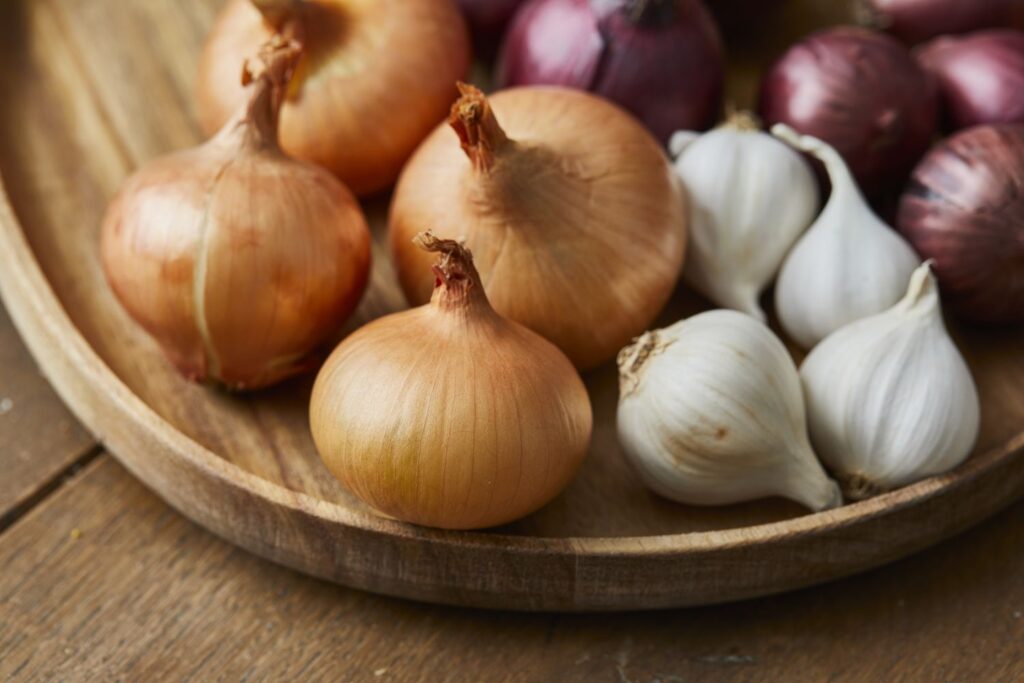
- Garlic and onions
- Bananas (especially when slightly green)
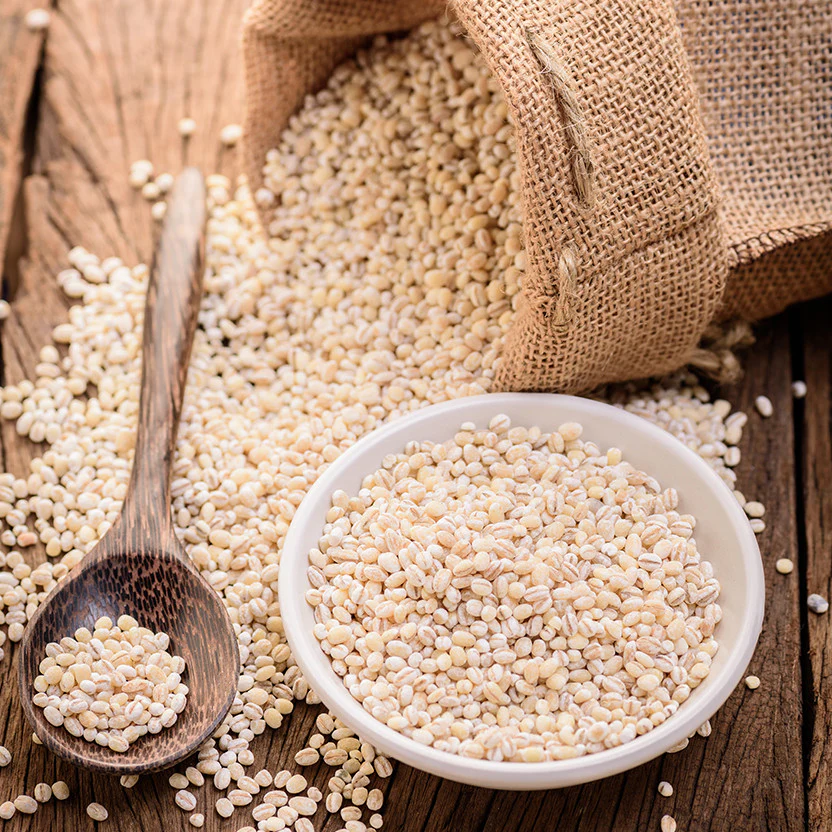
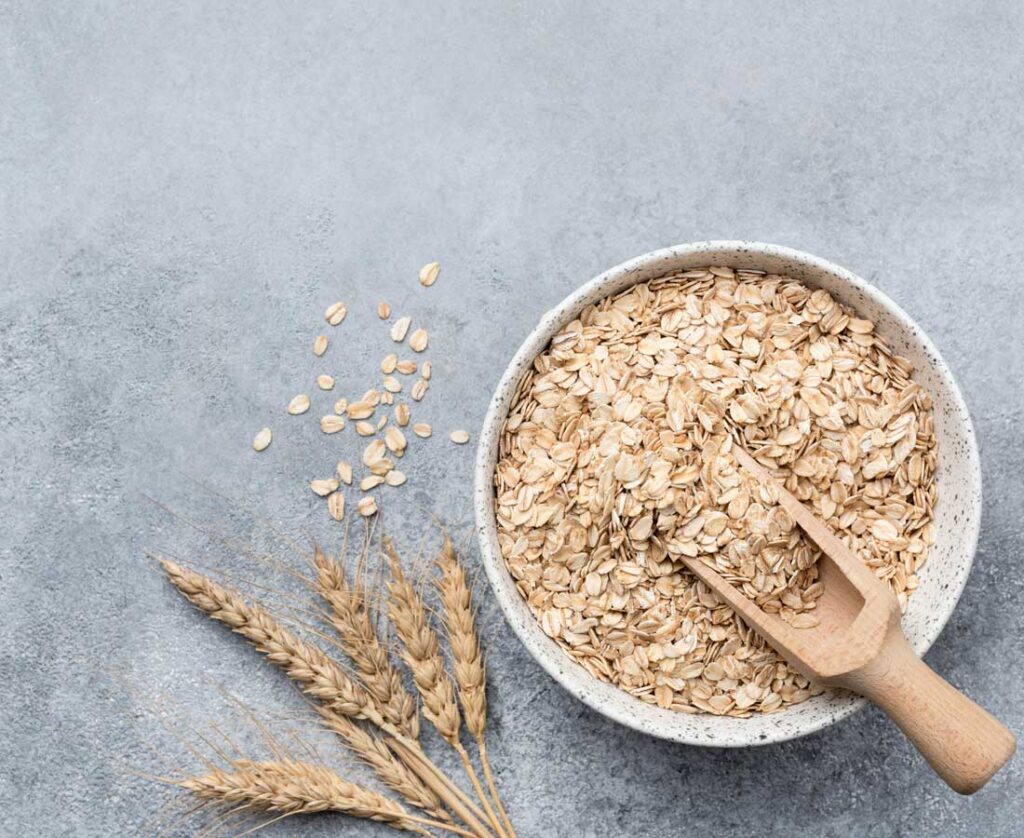
- Oats and barley
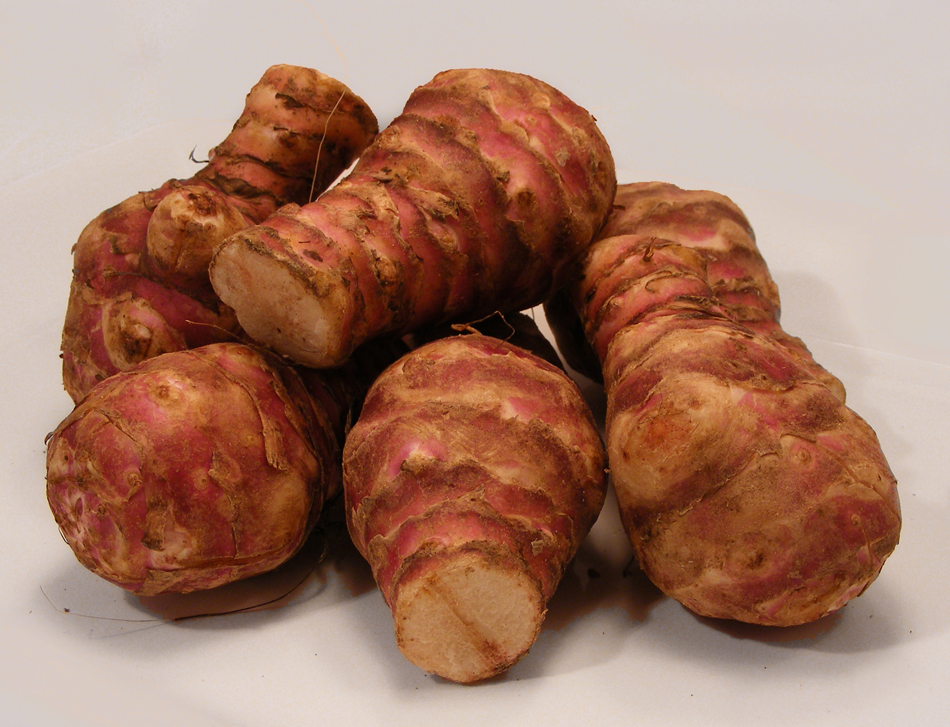
- Asparagus and Jerusalem artichokes

The Probiotic Marketplace (Hiring Your Team)
Now that we know how to feed our internal team, let’s talk about how to hire them. You have two main options: getting them through whole foods or through supplements.
Fermented Foods (The Natural Recruitment)
This is often considered the best way to start. Fermented foods contain a diverse range of live bacteria that have grown naturally during the fermentation process.
- Yogurt & Kefir: Classic sources of Lactobacillus.
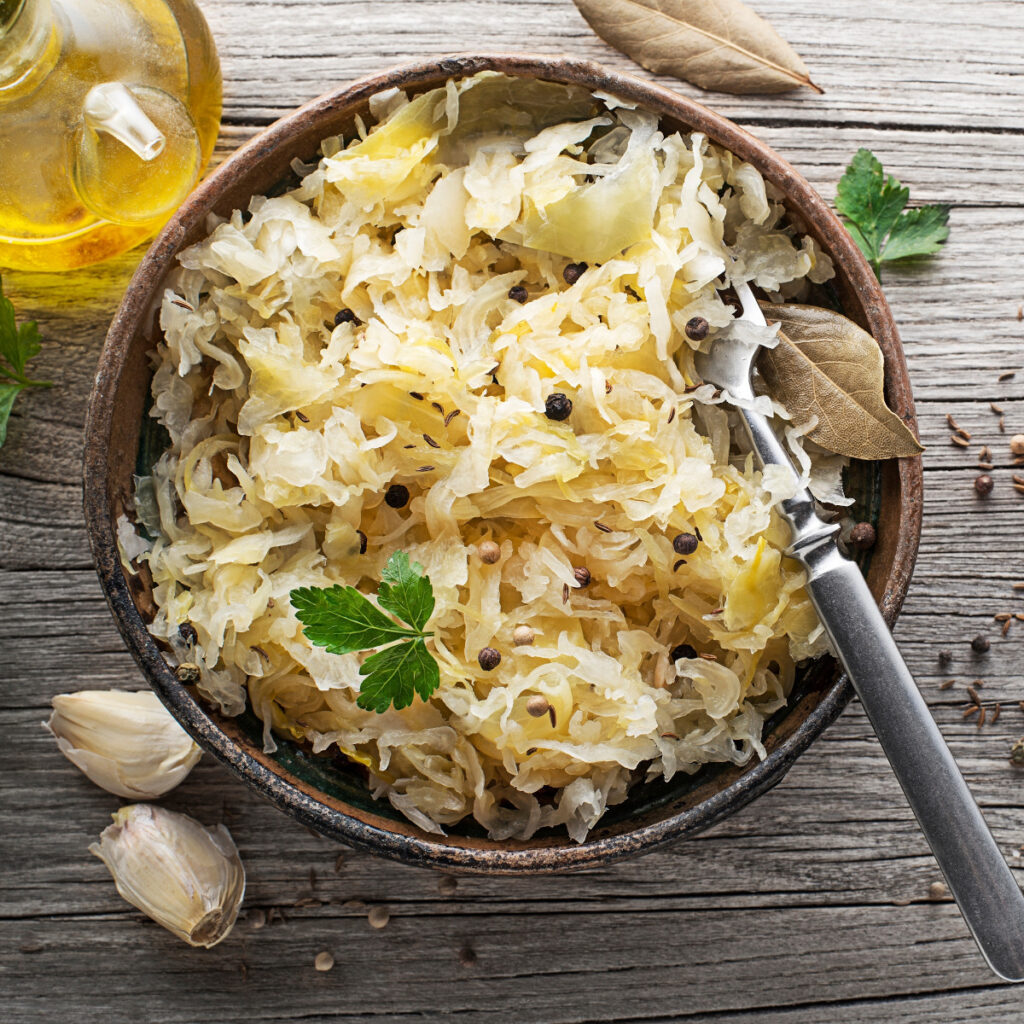
- Kimchi & Sauerkraut: Fermented vegetables that provide a crunch and a heavy dose of probiotics.
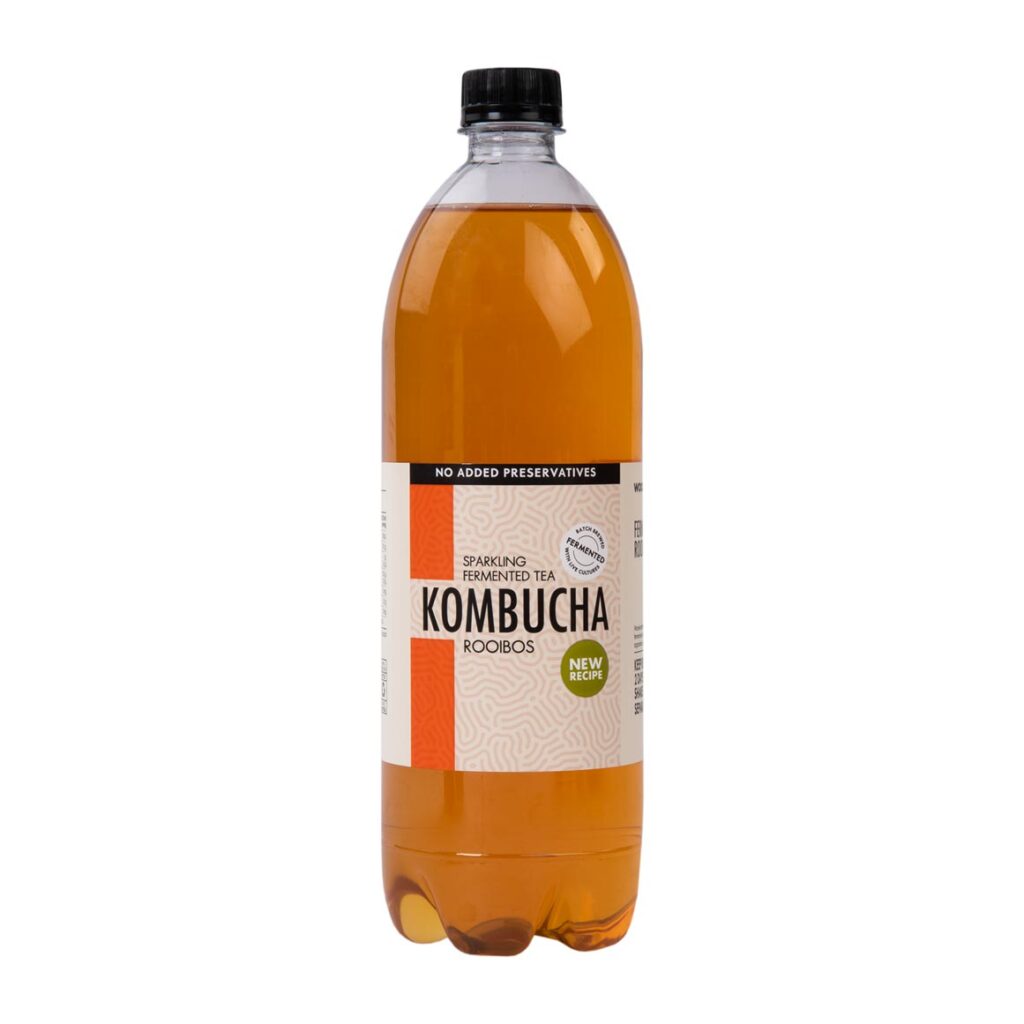
- Kombucha: A fermented tea that offers a variety of yeasts and bacteria.
The Benefit: These foods often come with their own built-in prebiotics (fiber), giving the bacteria their “salary” immediately upon arrival.



Supplements (The Specialized Strike Team)
Sometimes, a doctor might recommend a supplement. These are designed to deliver massive amounts of specific strains of bacteria directly to the gut.
- CFUs (Colony Forming Units): This number on the bottle tells you how many live microbes are in each dose.
- Strain Specificity: Supplements allow you to target specific issues, like traveler’s diarrhea or post-antibiotic recovery.
The Catch: Unlike food, supplements are “isloated.” Without a healthy diet to support them, these high-powered workers might not stick around for long.
Signs of a Successful Ecosystem (The “Performance Review”).
Once someone has started “hiring” good bacteria and “paying” them with prebiotics, they’ll want to know if it’s actually working. Since we can’t see into our gut, we have to look for outward clues.
Indicators of a Healthy Gut
- Consistency: One of the most obvious signs is “smooth” digestion—meaning regular, comfortable bathroom habits without frequent bloating or gas.
- The Energy Connection: Because a healthy gut produces B vitamins and manages inflammation, people often report a steadier level of energy throughout the day rather than “crashing” after meals.
- Mental Clarity: Remember the Gut-Brain Axis? A balanced microbiome often leads to better focus and a more stable mood. If you find yourself feeling less “irritable” or “foggy,” your microbes might be the reason.
A Note on the “Adjustment Period”
It is important for beginners to know that when you first start adding probiotics or high-fiber prebiotics, you might actually feel more bloated for a few days. This isn’t necessarily a bad sign; it’s just the “new employees” cleaning up the “office.” Once the balance shifts, the discomfort usually disappears.
One Size doesn’t Fit All: Personalized Nutrition
Personalized Nutrition is a great way to tie everything together. It moves us away from a “one-size-fits-all” approach and acknowledges that your internal ecosystem is as unique as your DNA.
In fact, research shows that even identical twins can have vastly different glycemic responses to the exact same food, largely because their gut microbiomes are different. This is why a “superfood” that makes one person feel amazing might make another person feel bloated or sluggish.
To understand how to personalize your approach, we should look at three main factors:
- Your Genetic Blueprint: While your microbes change, your human DNA is static. Some people have genes that make them better at processing certain fibers or fats, which dictates what kind of “fuel” their microbes have to work with.
- Your Resident Strains: You likely have “founder species” of bacteria that have been with you since childhood. Personalized nutrition is about figuring out what your specific residents like to eat, rather than just following general trends.
- The “Metabolic Signature”: This is the unique way your body and your bacteria interact to produce energy. By tracking how you feel after specific meals, you can identify your body’s personal “preferences.”
To help you think about how this applies to your own life, let’s consider your “hiring strategy” again.
Your Personalized Strategy
To build your own personalized “hiring plan,” you can follow a few simple steps:
- The Trial Period: Introduce only one new probiotic or prebiotic at a time for about a week.
- Performance Reviews: Keep a simple log of how you feel. Do you have more energy? Is your digestion smoother? Or are you feeling “stormy”?
- Diversity Over Volume: It’s often better to have small amounts of many different fermented foods than a massive amount of just one. This increases the chances of finding a strain that “clicks” with your system.
Environmental Disruption.
The Stress Storm
When you are under high pressure, your brain sends signals through the vagus nerve (that superhighway we discussed) that can physically change your gut environment.
- Reduced Diversity: Chronic stress can actually shrink the variety of “friendly” microbes in your gut.
- The “Leaky” Effect: Stress hormones can weaken the tight junctions in your gut lining, making it easier for inflammatory markers to slip into your bloodstream.
- Slowed Maintenance: When your body is in “fight or flight” mode, it deprioritizes digestion and “maintenance” tasks, which can leave your probiotic workers idle and underfunded.
Travel & New Environments
Traveling is like introducing your “security team” to a completely different set of neighbors.
- Foreign Microbes: Even if the water and food are safe, they contain local microbial strains your body isn’t used to.
- The “Jet Lag” for Bacteria: Believe it or not, your microbes have their own circadian rhythms. When you cross time zones, your bacteria can get “jet-lagged” too, which disrupts their ability to process food and protect you.
Prebiotics Preventatives Strategies
Strategy 1: Buffering the Stress Storm
When you are stressed, your gut becomes more acidic and less hospitable. By prioritizing prebiotic-rich foods (like bananas, oats, or chicory root), you encourage your bacteria to produce more Short-Chain Fatty Acids. These fatty acids help:
- Seal the gut lining, preventing the “leaky gut” effect caused by stress hormones.
- Calm the nervous system, sending “safety” signals back up to the brain through the vagus nerve.
Strategy 2: Pre-travel “Security” Training
Preparing for travel is about diversity. If you start a fermented food routine a week before you leave, you are essentially introducing a wider variety of “security guards” to your system.
- Diversity is Strength: The more different strains of bacteria you have, the more likely one of them will be able to handle a foreign microbe or a change in water quality.
- Crowding Out: By filling all the “seats” in your gut with friendly bacteria before you land, you leave very little room for local “bad” bacteria to settle in.
Conclusion: Your Daily Act of Cultivating Health
Ultimately, your microbiome is less like a machine that needs fixing and more like a living garden that requires daily attention. There are no “instant” results when it comes to biology; instead, there is the steady, rewarding process of cultivation.
By choosing fiber-rich prebiotics to “pay” your internal workforce and integrating fermented foods to “hire” diverse new talent, you are doing more than just aiding digestion. You are supporting your immune system, balancing your mood, and unlocking the full nutritional potential of every meal you eat.
Remember that every person’s internal ecosystem is as unique as a fingerprint. What works for one person may take a little more time for another, but the goal remains the same: creating a thriving, balanced environment where your trillions of microscopic partners can help you feel your best. Your journey to a healthier gut doesn’t happen overnight—it happens one meal, one snack, and one “daily habit” at a time.
Glossary
| Term | Definition |
| Microbiome | The entire collection of trillions of microbes living in your gut. |
| Probiotics | Live, beneficial bacteria that perform specific “jobs” for your health. |
| Prebiotics | Specialized plant fibers that act as “fuel” or “salary” for probiotics. |
| Synbiotics | A combination of a probiotic and its preferred prebiotic food. |
| CFUs | “Colony Forming Units”—the measurement of live microbes in a dose. |
| Strain | The specific “breed” of bacteria (e.g., Lactobacillus acidophilus). |