PILATES ALIGN
Pilates represents a transformative, low-impact exercise discipline that prioritizes core strength, postural alignment, and controlled, mindful movements to reshape the body and elevate overall vitality. Created by Joseph Pilates in the 1920s as “Contrology” to rehabilitate injured dancers and athletes, it has surged in popularity for its ability to deliver long, lean muscles without bulk, making it ideal for weight management, injury prevention, and holistic fitness. Unlike high-intensity cardio, Pilates emphasizes quality over speed, fostering a deeper mind-body synergy that sustains motivation and yields sustainable results.
Foundational Principles
At its heart, Pilates operates on six timeless principles that ensure every exercise maximizes efficiency and safety.
Concentration: Directing full attention to muscle engagement prevents sloppy form and amplifies results.
Control: No ballistic swings—every motion demands deliberate precision to build neuromuscular coordination.
Centering: All power flows from the “powerhouse” core (deep abdominals, pelvic floor, lower back), stabilizing the spine.
Breathing: Lateral thoracic breathing expands the ribcage, fueling oxygen delivery and syncing with exertion.
Precision: Small details in alignment, like neutral pelvis or scapular retraction, unlock therapeutic benefits.
Flow: Graceful transitions mimic natural movement patterns, enhancing fluidity and endurance.
Mastering these elevates Pilates from workout to mindful practice.
Varied Types of Pilates
Pilates adapts across formats, equipment, and intensities to suit beginners, pros, or therapeutic needs.
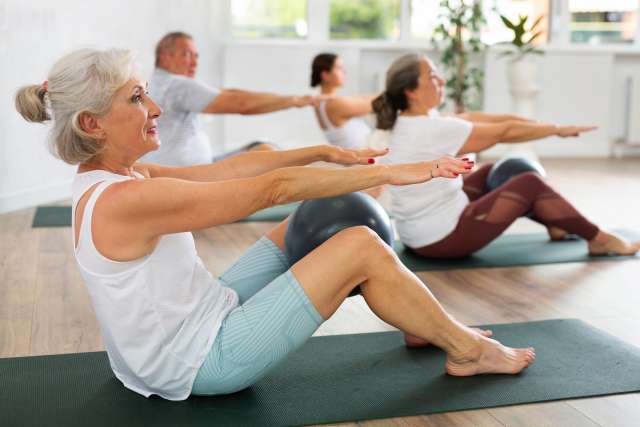
Mat Pilates: Equipment-free, using gravity and body weight for 34-50 classic exercises; portable for home or travel.
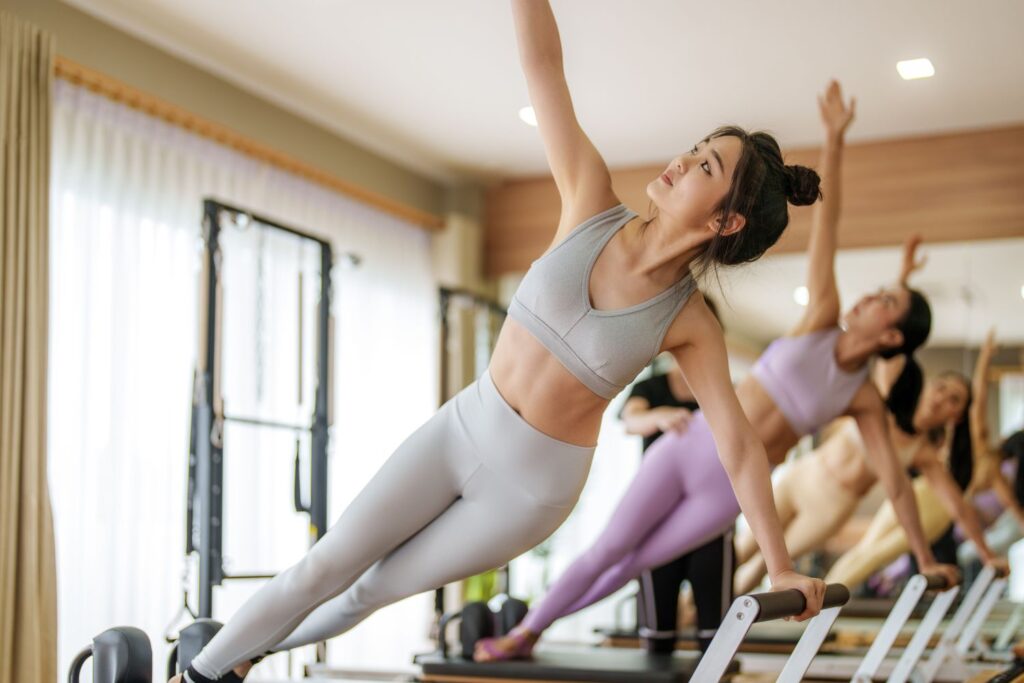
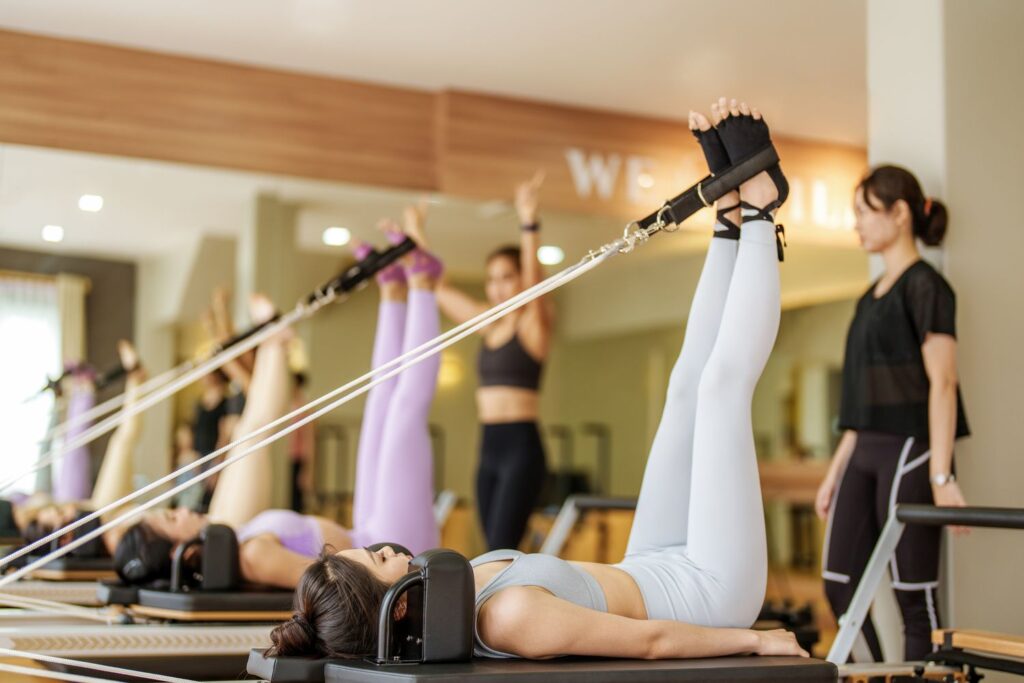
Reformer Pilates: Sliding carriage with springs provides adjustable resistance; excels in eccentric loading for toning.
Cadillac/Trapeze Table: Multi-tool rig with trapeze, push-through bar, and leg springs for comprehensive rehab.
Wunda Chair: Pedal-driven for vertical compression; builds explosive power in glutes and arms.
Ladder Barrel: Curved apparatus for spinal extension and hip flexibility; targets imbalances.
Contemporary/Clinical Pilates: Physiotherapy-infused, often with balls, bands, or towers for injury recovery.
Aerial/Fusion Pilates: Hammock-suspended for spinal decompression; blends with yoga for playful challenge.
Hybrid classes like Pilates sculpt incorporate weights for metabolic boost.
Efficacy for Weight Loss: Evidence and Realities
Pilates aids weight loss indirectly through muscle building, metabolic uplift, and fat reduction, though it’s not a calorie-torching powerhouse alone. A comprehensive meta-analysis of randomized trials confirmed reductions in body weight, BMI, waist circumference, and body fat percentage after 8-12 weeks, particularly in overweight individuals practicing 2-3 times weekly. Sessions burn 200-500 calories (depending on intensity), comparable to brisk walking, while increasing lean mass raises basal metabolic rate by 5-10%. Waist slimming shines brightest—studies note 2-5 cm drops—via core sculpting and visceral fat targeting. For optimal loss, combine 3x/week Pilates with cardio (e.g., cycling) and a calorie deficit diet; solo, expect 1-2 kg monthly alongside toning.
Broader Physical and Mental Benefits
Pilates reshapes beyond scales. Core fortification eradicates back pain in 80% of chronic sufferers by realigning the pelvis and spine. Flexibility blooms through hip openers and spinal rolls, rivaling yoga for range of motion. Balance and proprioception sharpen, slashing fall risks in seniors. Circulation surges from dynamic flows, aiding varicose veins and edema. Mentally, endorphin release combats stress, with practitioners reporting 20-30% anxiety drops; better sleep follows from parasympathetic activation.
Sample 30-Minute Weight-Focused Mat Routine
Incorporate this progressive sequence 4x weekly for visible results.
The Hundred: Supine pumps with legs in tabletop; 100 breaths fire obliques.
Roll-Up/Spine Stretch: Sequential vertebra-by-vertebra flexion for abs and hamstrings.
Criss-Cross: Twisting knee-to-elbow for waist whittling.
Teaser: V-sit balance challenges full core coordination.
Side Kicks: Prone leg swings sculpt hips and glutes.
Swimming: Alternating limbs prone builds posterior chain.
Seal: Tucked ball rocks for spinal massage and control.
Cool down with mermaid stretches; advance to reformer for resistance.
Integrating into Lifestyle for Maximum Impact
Embed Pilates for effortless adherence. Morning reformers energize; lunch-hour mats refresh offices. Pair with meal prepping—high-protein post-workout fuels recovery. Track via apps logging reps, girth measurements, and photos. Group studios foster community; online platforms like Pilates Anytime suit homebodies. For plateaus, vary intensities or add HIIT hybrids. Patience pays: toned midsections emerge in 4-8 weeks, with weight stability long-term.
Safety, Progression, and Common Pitfalls
Pilates welcomes modifications but demands form-first.
Gear: Thick mat, resistance circle, online tutorials.
Beginners: Start instructor-led to nail centering.
Avoid: Arching lower back or breath-holding; cue “navel to spine.”
Contraindications: Recent abdominal surgery—wait 6-8 weeks.
Progression: From 10-rep sets to 60-minute flows; equipment next.
Hydrate, fuel with complex carbs, and celebrate non-scale victories like effortless posture. Pilates crafts not just a slimmer silhouette, but enduring strength and poise.