Pet-Safe House Plants: Non-Toxic Choices
Pet-Safe House Plants: Non-Toxic Choices for Family Homes with Pets
Houseplants add vibrant greenery, improve indoor air quality, and create a calming atmosphere in family homes shared with pets. Many popular varieties pose serious health risks to curious cats, dogs, and other animals, causing symptoms from mild irritation to organ damage. Opting for non-toxic, pet-safe plants allows households to enjoy lush decor without worry, as these options withstand playful investigation while thriving indoors.
Why Prioritize Pet-Safe Plants
Common houseplants like lilies, pothos, and aloe vera contain compounds such as calcium oxalate or saponins that lead to vomiting, diarrhea, drooling, or lethargy in pets upon ingestion. Non-toxic alternatives, often vetted by organizations like the ASPCA, provide similar aesthetic and environmental benefits without these dangers. They also tend to be resilient to knocking over, batting, or light nibbling, making them practical for multi-pet or child-filled homes seeking low-maintenance greenery.
Elegant Palms for Height and Drama
Palms deliver tall, architectural silhouettes ideal for filling corners or creating privacy screens.
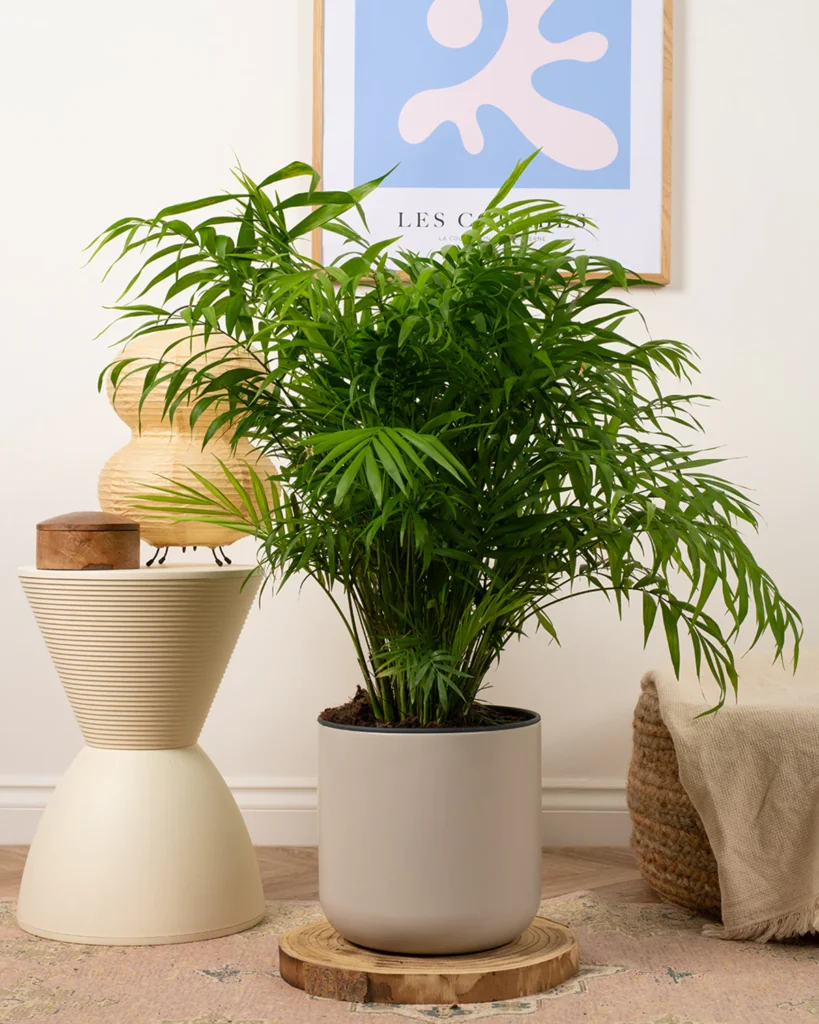
Parlor Palm (Chamaedorea elegans) grows 3-8 feet tall in low to medium light, with feathery fronds that require watering only when the top inch of soil dries; it’s highly tolerant of neglect.
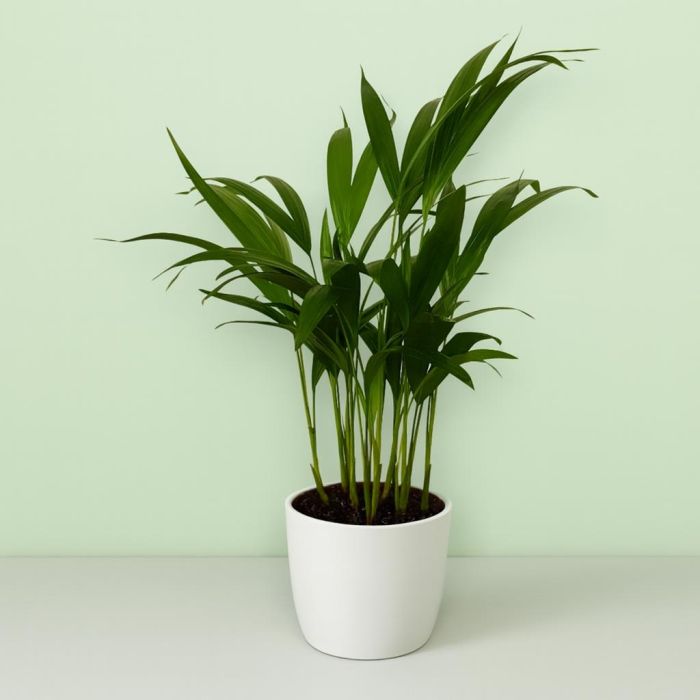
Areca Palm (Dypsis lutescens) features bamboo-like stems and golden fronds in bright, indirect light, effectively removing indoor toxins like formaldehyde.
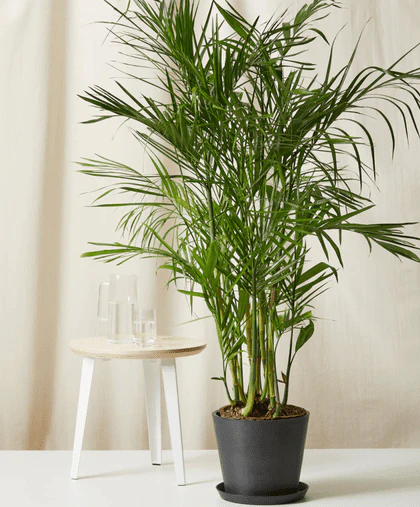
Bamboo Palm (Chamaedorea seifrizii) thrives in humid spots like bathrooms, reaching 4-12 feet slowly while purifying air.
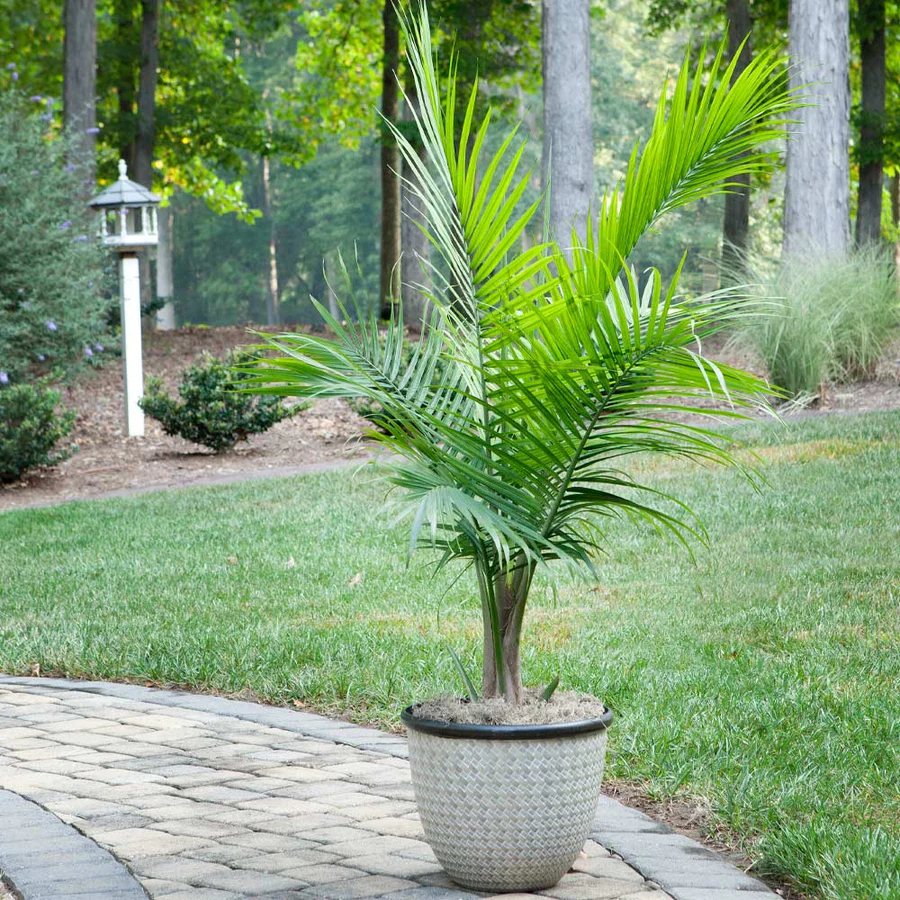
Majesty Palm (Ravenea rivularis) offers a fountain shape but needs consistent moisture and higher humidity to avoid browning tips.
Lush Ferns and Patterned Foliage
Ferns and similar plants provide soft, textured displays perfect for shelves, stands, or hanging baskets.
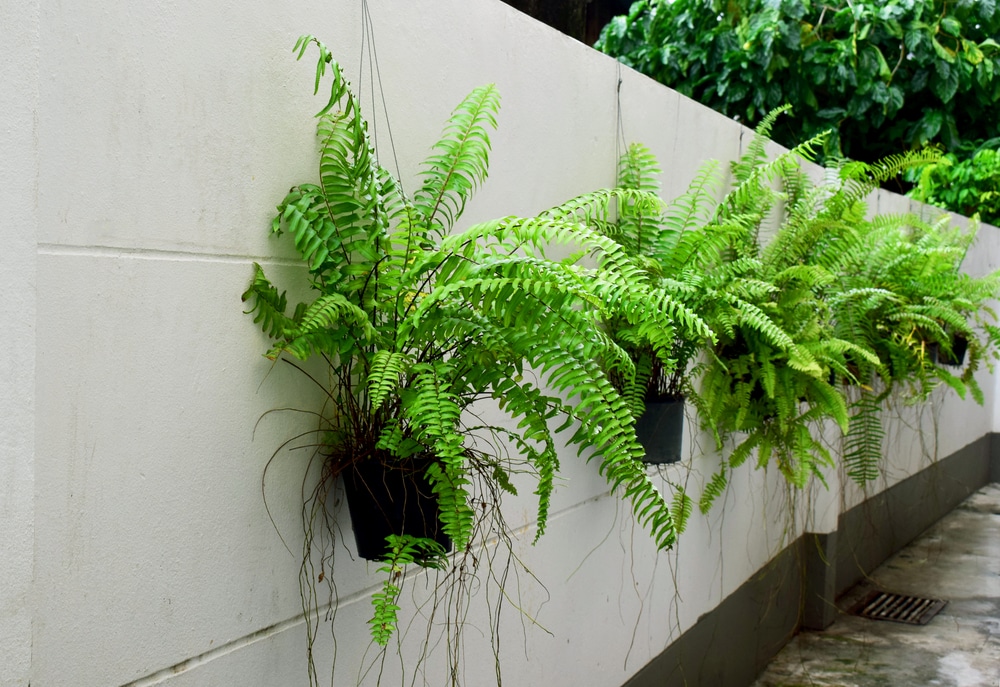
Boston Fern (Nephrolepis exaltata) prefers indirect light and frequent misting, with cascading fronds that filter airborne pollutants.
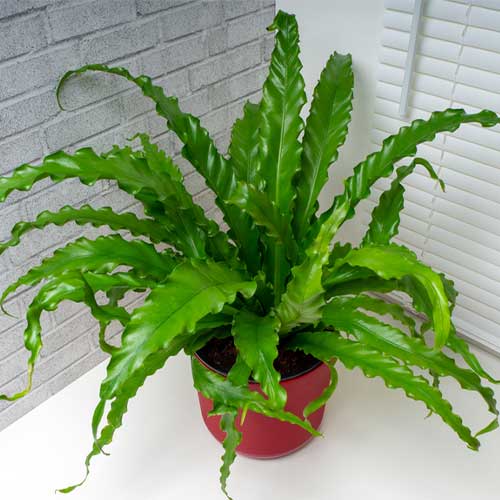
Bird’s Nest Fern (Asplenium nidus) displays spoon-shaped, wavy leaves in low light, maintaining even soil moisture without sogginess.
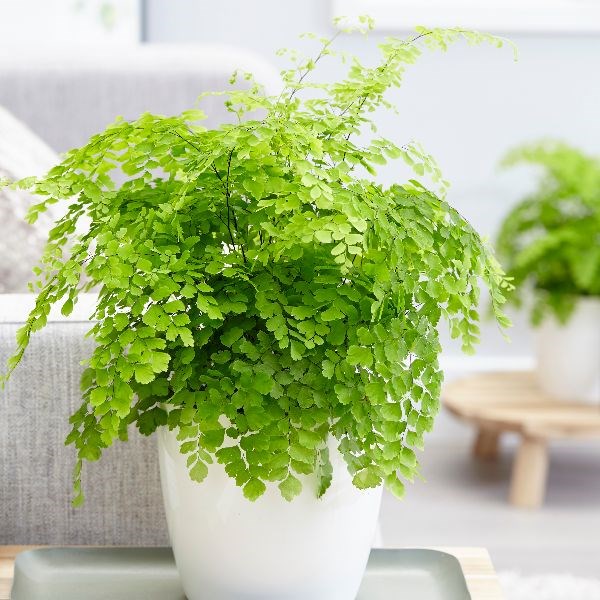
Maidenhair Fern (Adiantum raddianum) boasts delicate, fan-like fronds requiring steady humidity and pebble trays for success.
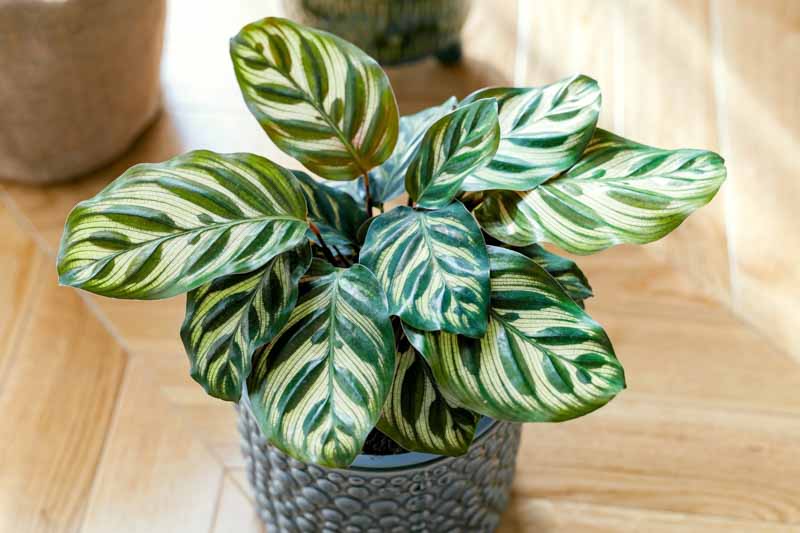
Calathea (e.g., Prayer Plant or Rattlesnake Plant) showcases bold patterns that fold at night, favoring shaded, consistently moist environments.
Tough Succulents and Compact Varieties
Succulents bring sculptural interest with exceptional drought tolerance for busy schedules.
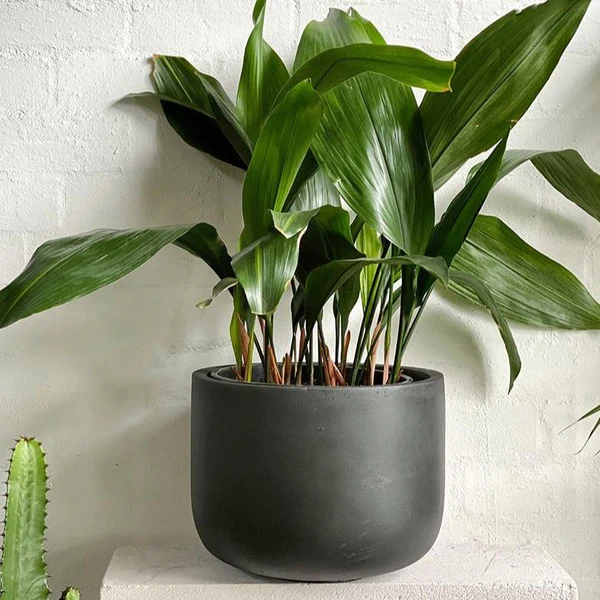
Cast Iron Plant (Aspidistra elatior) endures deep shade, irregular watering, and physical knocks, featuring long, leathery leaves up to 2 feet.
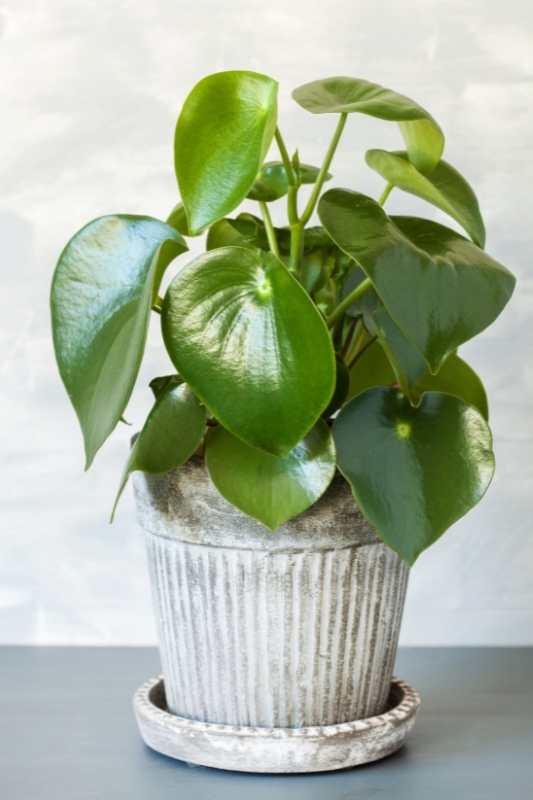
Peperomia Hope (Peperomia deppeana) forms compact mounds of heart-shaped leaves in low light, needing infrequent watering.
Hens and Chicks (Sempervivum tectorum) creates clustered rosettes that propagate easily and survive dry spells indoors.
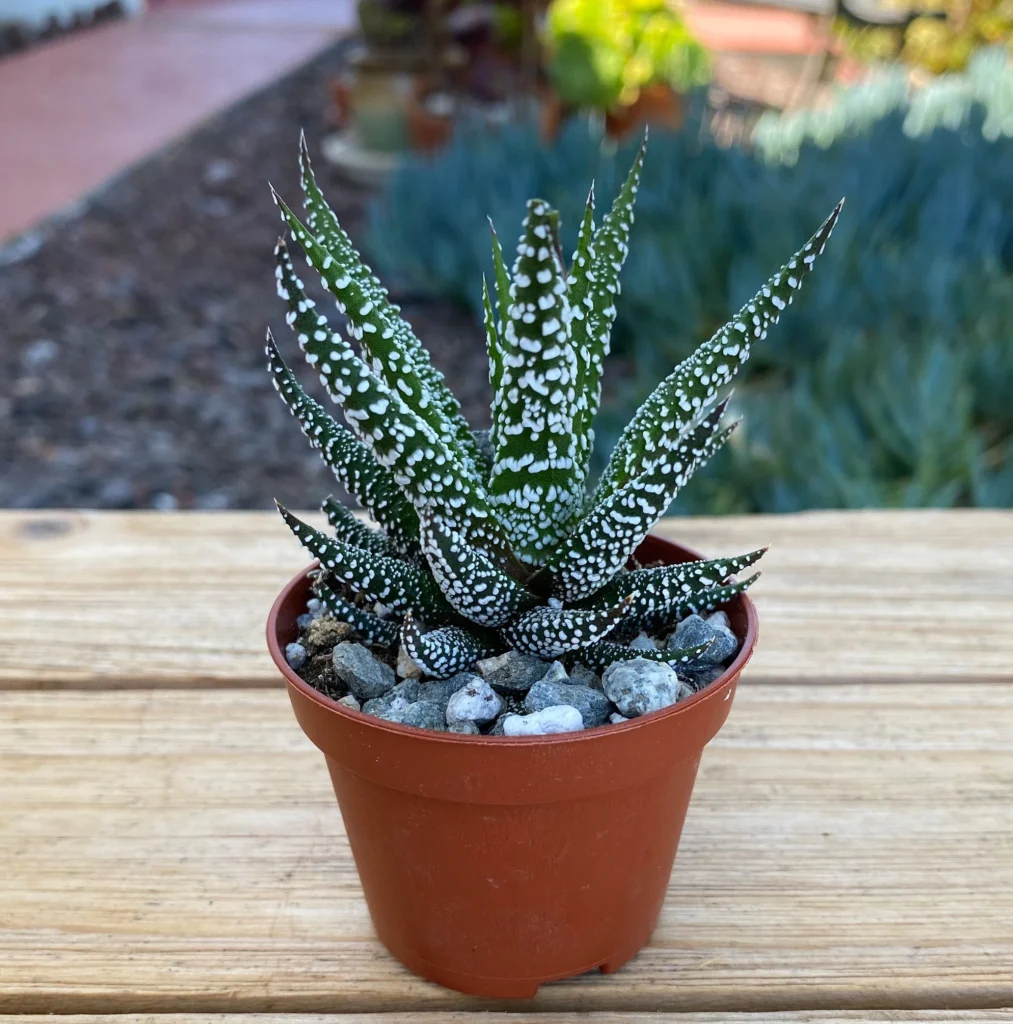
Haworthia (e.g., Zebra Plant) displays striped, spiky rosettes safe for tabletops in bright, indirect spots.
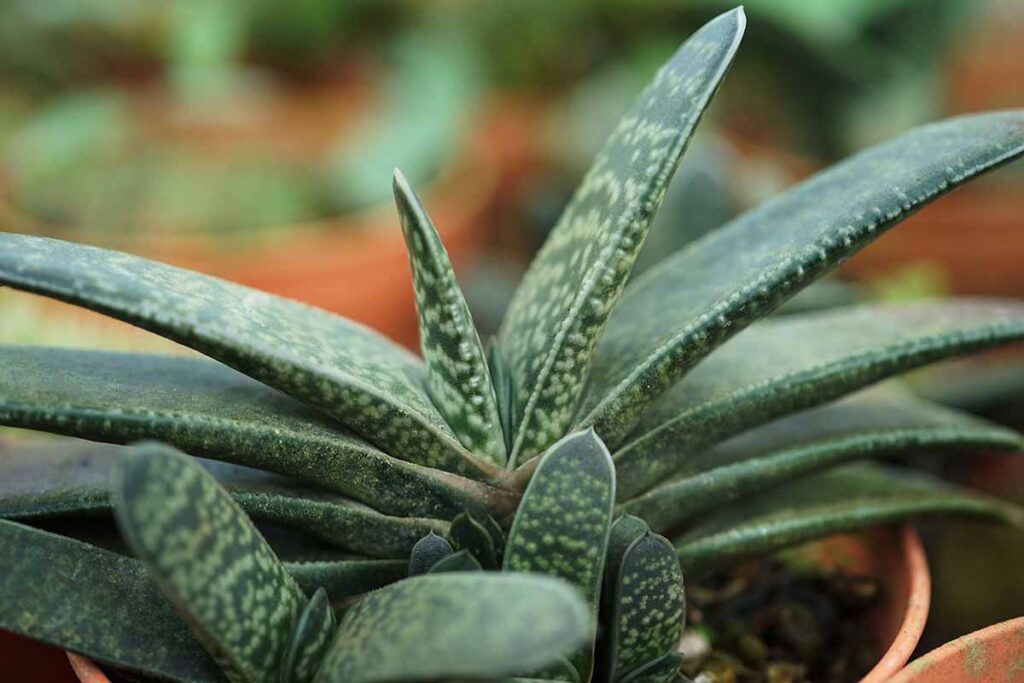
Gasteria offers tongue-like leaves with bumpy textures, adapting well to lower light.
Colorful Flowers and Fun Edibles
These selections add blooms or interactive appeal without toxicity risks.
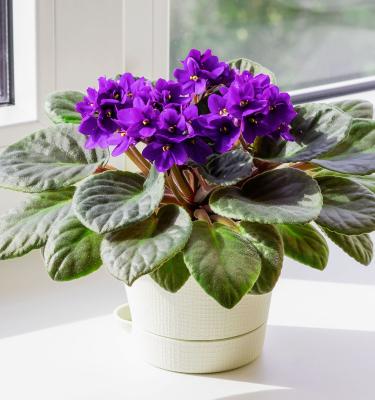
African Violet (Saintpaulia ionantha) produces fuzzy leaves and year-round flowers in moderate light, safe even if sampled.
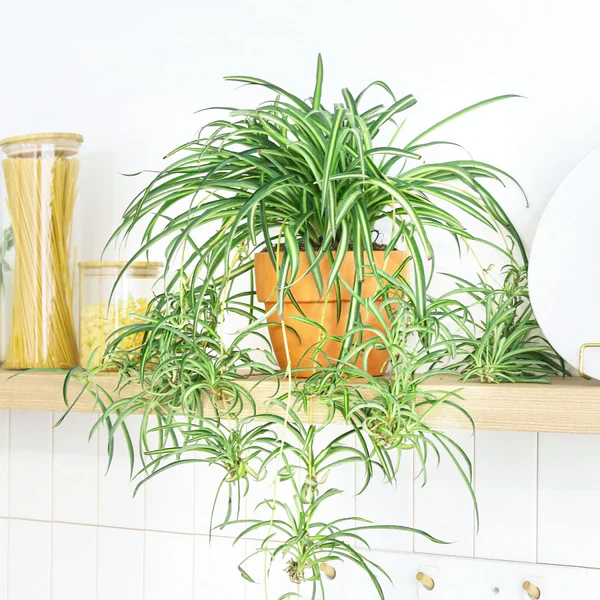
Spider Plant (Chlorophytum comosum) dangles variegated stripes and “pups” for propagation, excelling in hanging positions.
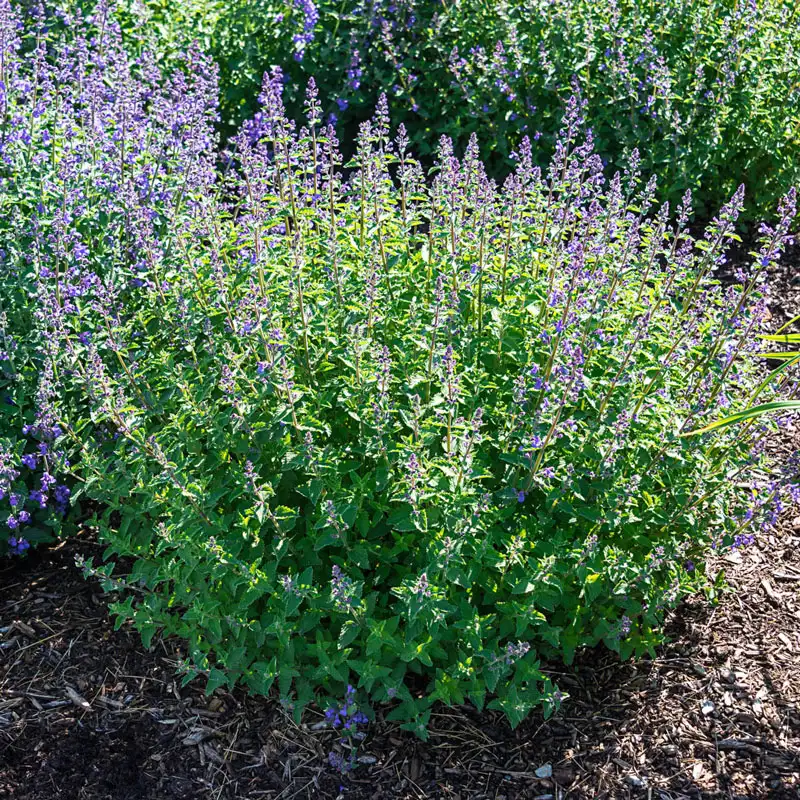
Catnip (Nepeta cataria) grows as a fragrant herb that mildly intoxicates cats harmlessly in sunny windowsills.
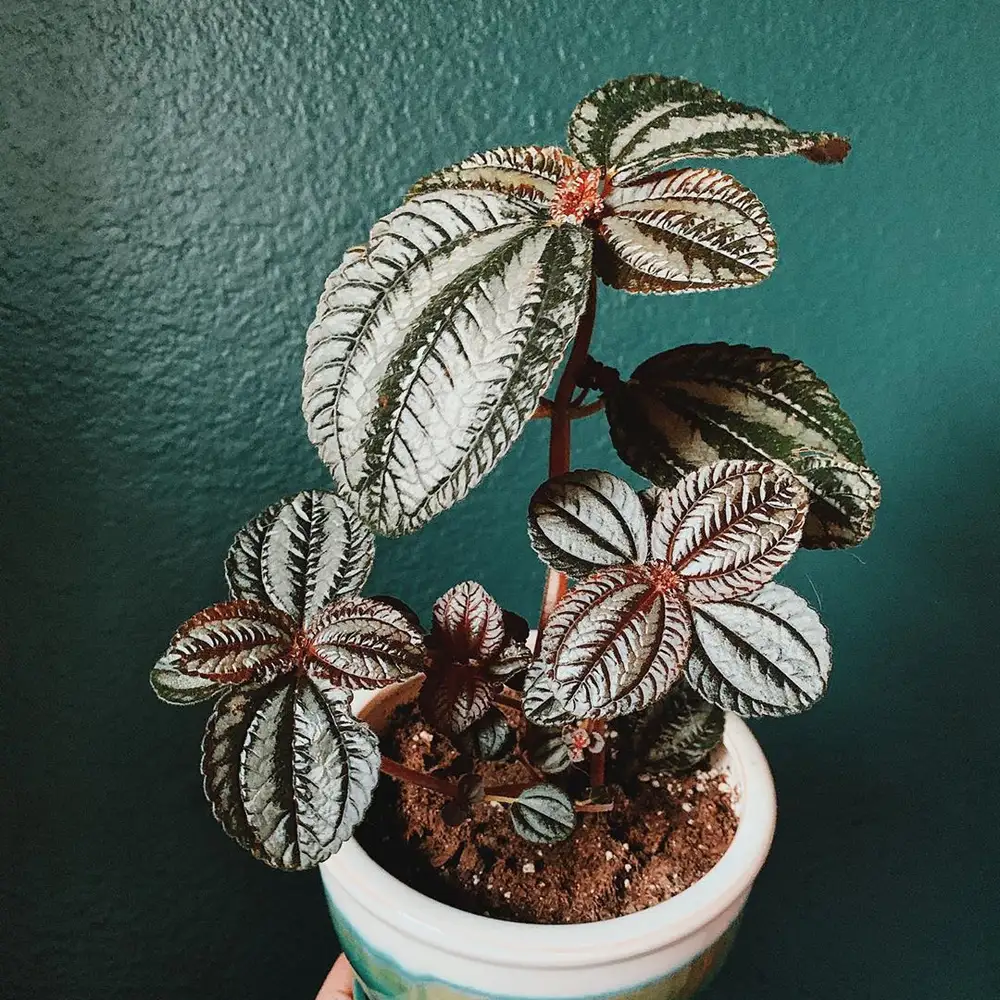
Friendship Plant (Pilea involucrata) features quilted, textured foliage in warm, humid conditions.
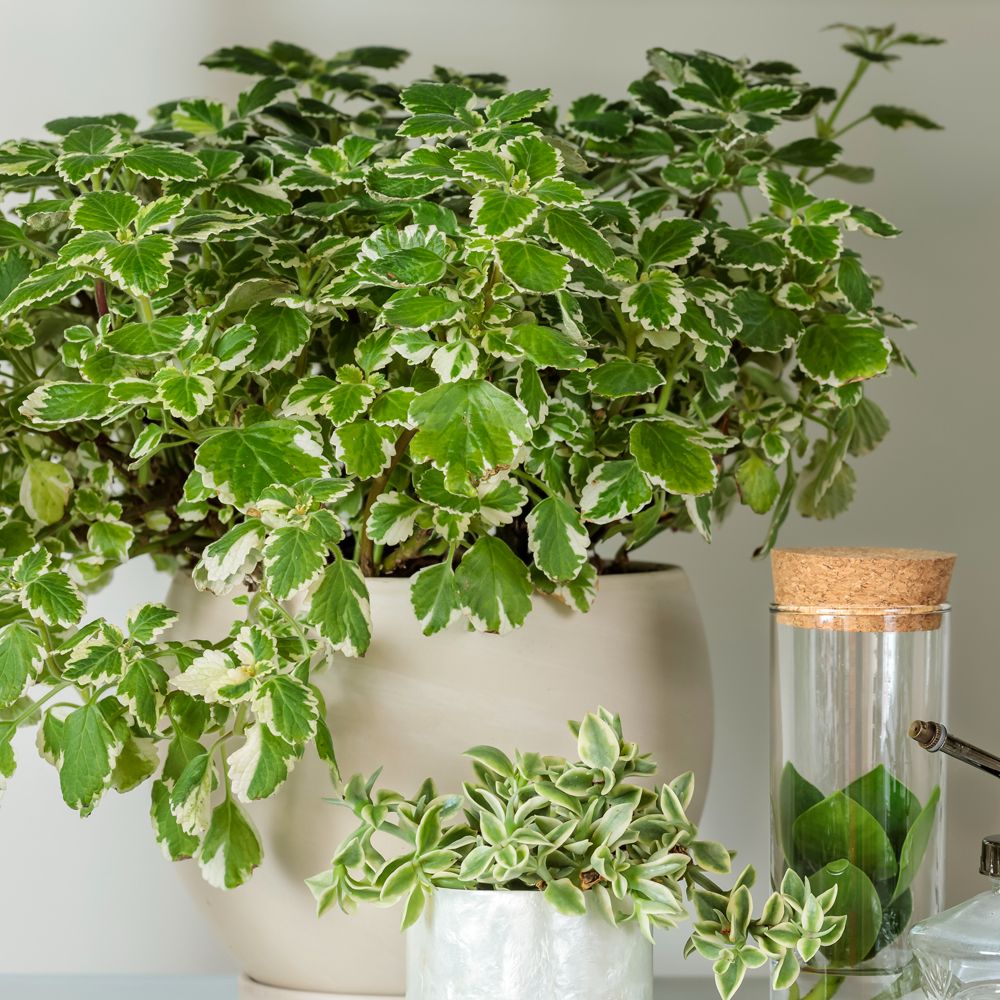
Swedish Ivy (Plectranthus verticillatus) trails with glossy, scalloped leaves, tolerating medium light.
Essential Care and Safety Practices
Elevate plants on high shelves, wall mounts, or in rooms with limited pet access to curb excessive chewing, as even non-toxic ingestion can cause mild stomach upset. Choose pots with drainage holes, use peat-free potting mix, and water when the topsoil feels dry to prevent root rot. Fertilize lightly in spring and summer, inspect regularly for pests like mealybugs using insecticidal soap, and prune to encourage bushiness. Always verify with veterinary resources like the ASPCA toxic plant list for the latest breed-specific advice, and introduce new plants gradually to monitor pet reactions.