How to Start and Grow a Mini Backyard Garden
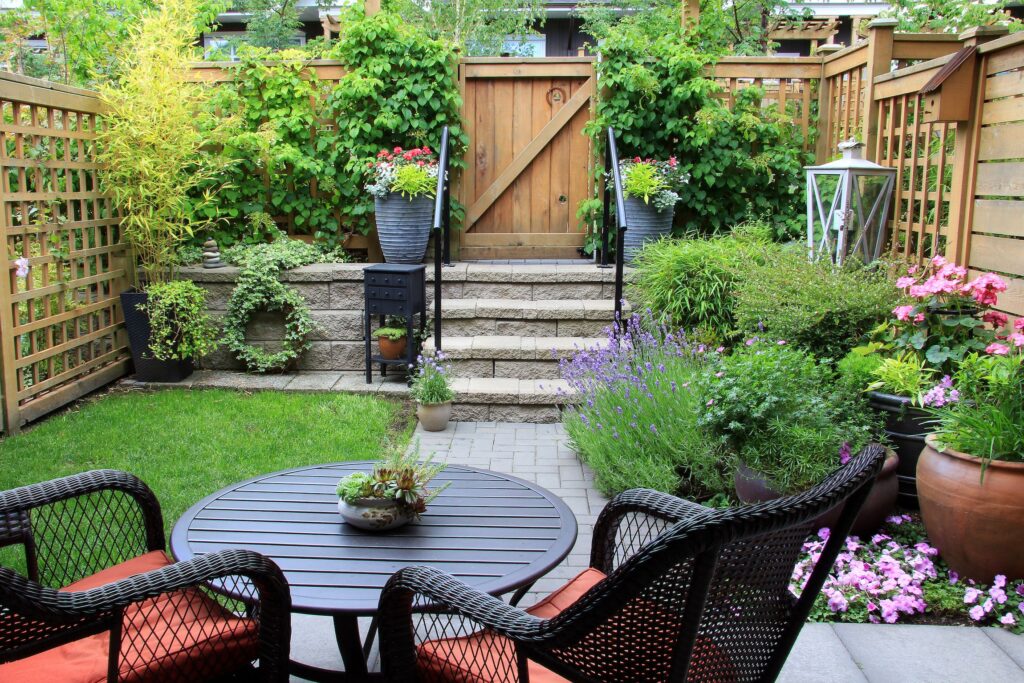
A mini backyard garden transforms a small patch of earth—or even pots and planters—into a vibrant oasis. It’s perfect for anyone with limited space but plenty of sunlight. Flowers add color and pollinator-friendly blooms, leafy plants bring texture and edibles, and mini trees provide structure and shade without overwhelming your yard. Beyond beauty, gardening reduces stress (aligning with mindfulness practices), boosts air quality, and yields fresh herbs or flowers for your home.
Assess Your Space and Plan Ahead
Start by evaluating your backyard’s conditions.
Measure and map: Note sunlight hours (most plants need 6+ hours daily), soil type (sandy or clay-heavy?), and water access. Aim for a 2×2 meter starter area or use vertical planters.
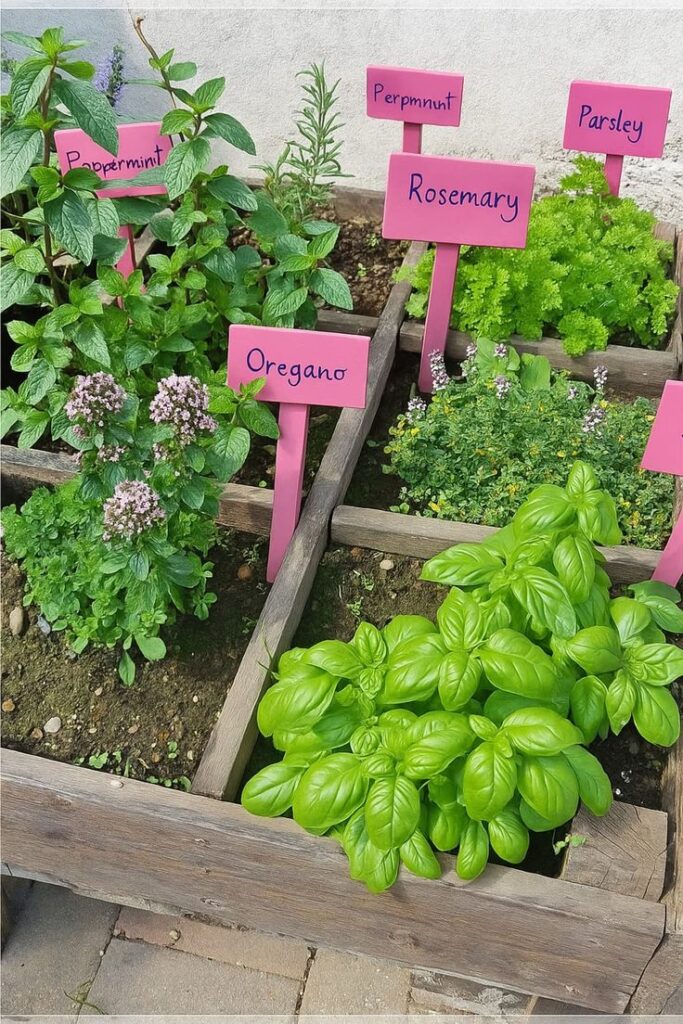
Choose themes: Go for pollinator-friendly (lavender, daisies), edible (herbs like basil, mini citrus trees), or low-maintenance (succulents, dwarf bougainvillea).
Budget wisely: Expect $50–$200 initially for pots, soil, seeds, and plants from local nurseries.
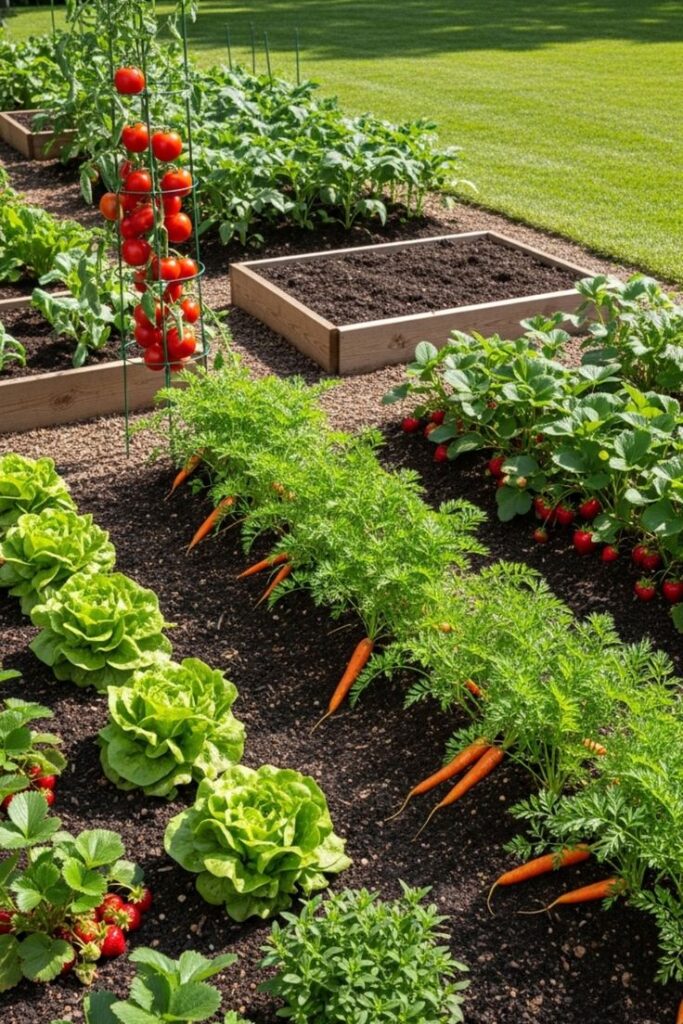
Sketch a simple layout: taller mini trees at the back, mid-height plants in the middle, and low flowers upfront.
Essential Tools and Materials
Gather these basics for success:
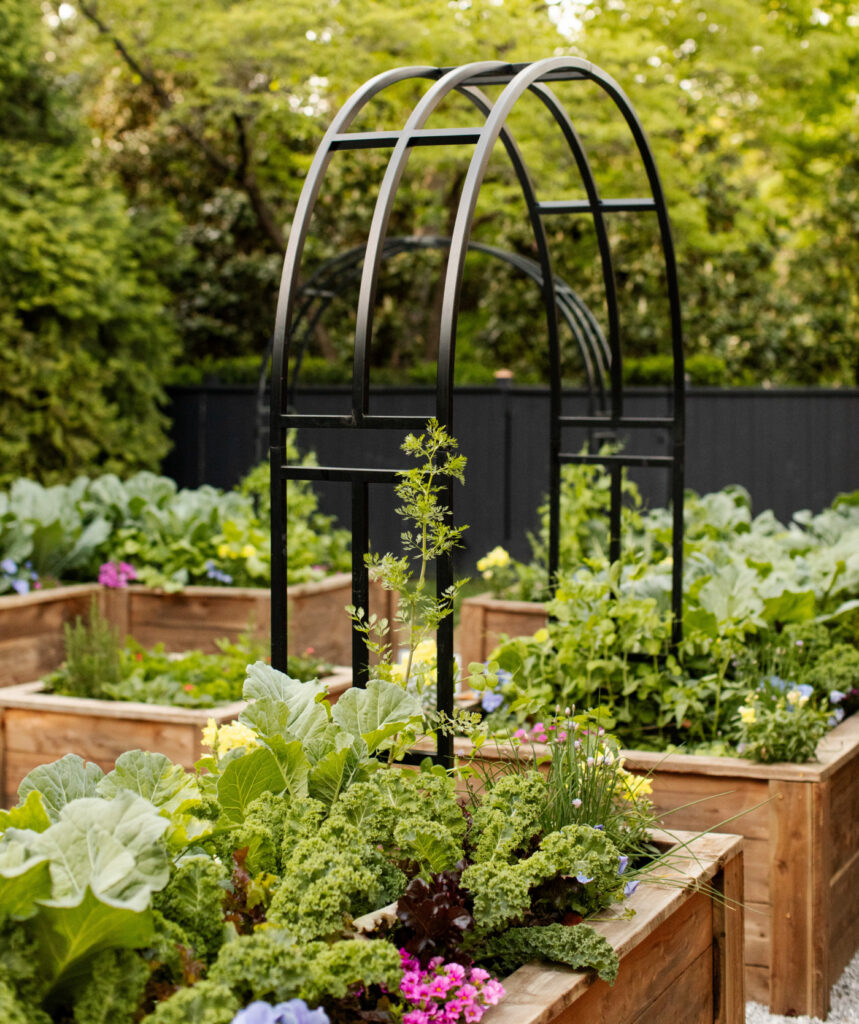
Pots or raised beds (terracotta for drainage).
Quality potting soil mixed with compost (add perlite for drainage).
Tools: Trowel, watering can, gloves, and pruners.
Mulch (bark chips) to retain moisture and suppress weeds.
Fertilizer: Organic options like worm castings or slow-release granules.
Selecting and Planting Your Stars
Pick resilient, compact varieties suited to warm climates.
Flowers:
African daisies (Osteospermum): Drought-tolerant, vibrant blooms.
Portulaca: Succulent-like flowers that love full sun.
Plants:
Basil or mint: Fragrant, fast-growing herbs for teas or cooking.
Succulents like aloe or crassula: Low-water, architectural appeal.
Mini Trees:
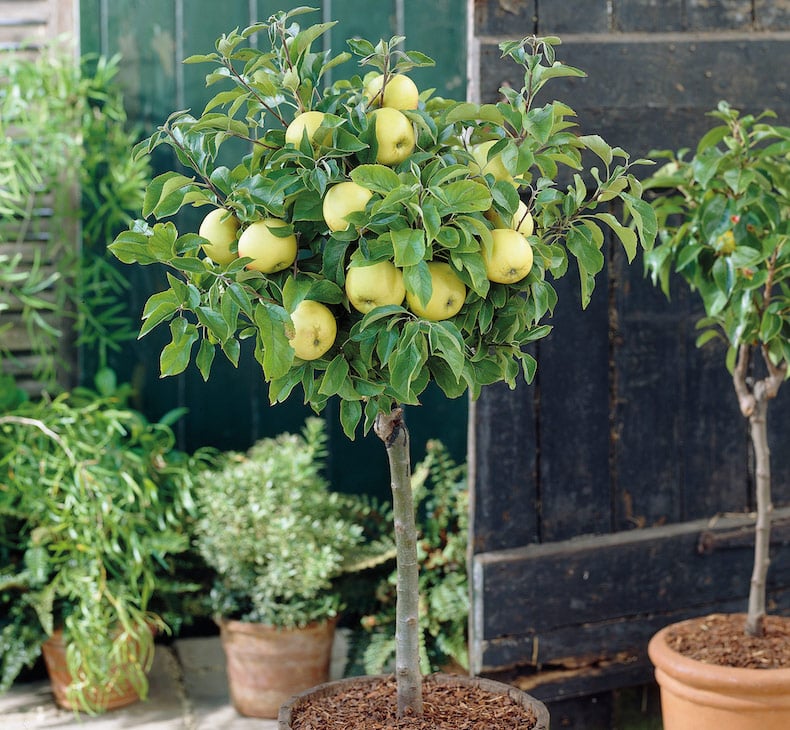
Dwarf lemon or kumquat: Edible fruit, fragrant flowers, pot-friendly (grow to 1.5–2m).
Japanese maple or acacia saplings: Shade providers with feathery leaves.
Plant in spring. Dig holes twice the root ball’s width, space 30–50cm apart, and water deeply after planting.
Daily Care and Growth Strategies
Consistency turns seedlings into a thriving garden.
Watering: Deeply but infrequently—morning sessions prevent fungal issues. Use drip irrigation for pots.
Feeding: Apply liquid fertilizer every 4–6 weeks during growth season.
Pruning and maintenance: Pinch flowers to encourage bushiness; remove dead leaves weekly.
Pest control: Neem oil for aphids; companion planting (marigolds deter nematodes).
Monitor for challenges like heatwaves: Shade cloth helps young plants.
Growth Stage | Key Tasks | Timeline |
|---|---|---|
| Week 1–4 | Water daily, mulch | Establishment |
| Month 2–6 | Fertilize, prune tips | Rapid growth |
| Year 1+ | Repot trees, divide perennials | Maturity & expansion |
Overcoming Challenges and Scaling Up
Common pitfalls include overwatering (yellow leaves signal this) or poor drainage (root rot). Test soil pH (aim for 6–7) and amend with lime if needed. In rainy summers, elevate pots to avoid waterlogging.
To grow your garden:
Propagate cuttings from successful plants.
Add vertical elements like trellises for climbers.
Integrate with fitness routines—tend during cool-downs for mindfulness.
Harvest flowers for bouquets or herbs for meals, and watch your mini ecosystem flourish.
Your mini garden will evolve into a personal retreat, blending beauty, utility, and wellness.