
Fruit Trees that Double as Medicinal Powerhouses
Fruit trees that double as medicinal powerhouses have long been cherished in gardens worldwide, blending bountiful harvests with natural remedies derived from their fruits, leaves, bark, roots, and seeds. These trees not only beautify landscapes and provide nutritious produce but also offer evidence-backed health benefits, from boosting immunity to supporting heart health and digestion. For gardeners in regions like South Africa’s Mpumalanga, where subtropical climates prevail, many of these trees thrive, making them ideal for backyard cultivation.
Mango Tree
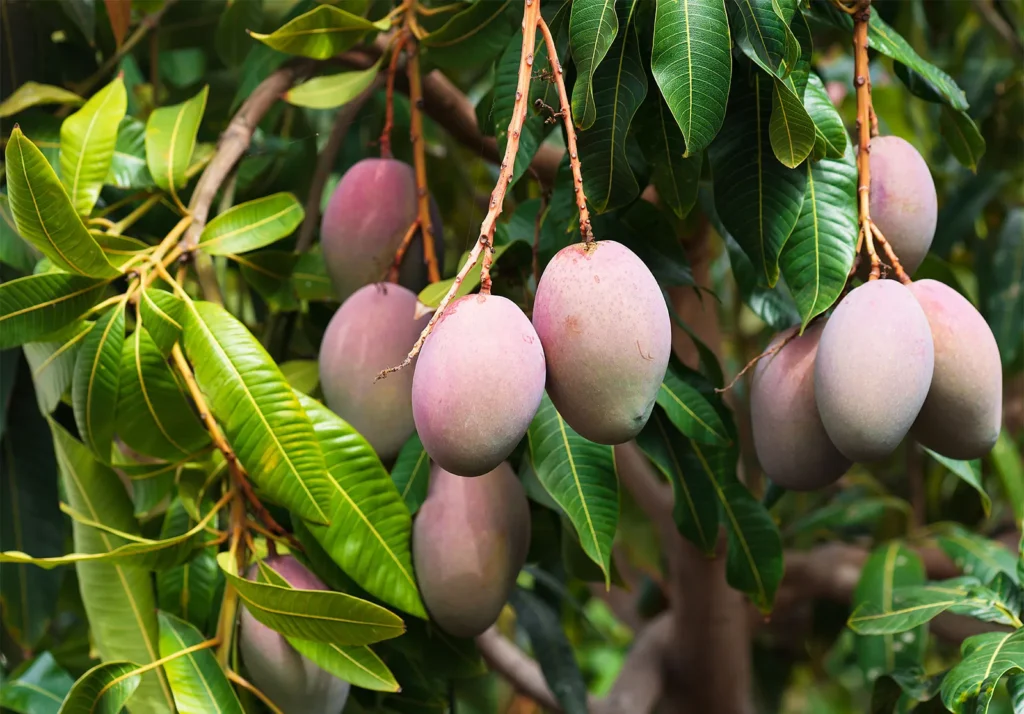
The mango tree (Mangifera indica), a tropical staple, produces iconic sweet fruits loaded with vitamins A, C, and E, alongside fiber that aids digestion and stabilizes blood sugar. Beyond the fruit, its leaves are brewed into teas to alleviate diarrhea, dysentery, and hypertension, while the bark serves as an astringent for gum health and asthma relief. Seeds, rich in antioxidants like mangiferin, exhibit anti-inflammatory, antiviral, and antidiabetic effects in studies, helping manage hyperglycemia and even supporting skin wound healing through topical pastes. In traditional Ayurvedic and African medicine, mango parts treat everything from menstrual issues to kidney stones, with modern research validating its role in reducing oxidative stress and cholesterol.
Papaya Tree
Papaya (Carica papaya), often called the “tree of life,” delivers enzyme-rich orange fruits that enhance digestion, reduce inflammation, and promote wound healing thanks to papain, a potent proteolytic enzyme. Leaves are prized for combating dengue fever by increasing platelet counts, with extracts showing antimalarial and antiplasmodial activity; they’re also used for liver detoxification and menstrual regulation. The milky latex offers antibacterial properties against infections, while seeds act as anthelmintics to expel intestinal worms and lower sperm motility for natural contraception. Fruits combat cholesterol buildup and boost immunity with high beta-carotene, making papaya a versatile remedy for arthritis, constipation, and even cancer prevention through its antioxidants.
Apple Tree
The humble apple tree (Malus domestica) yields fruits synonymous with the adage “an apple a day keeps the doctor away,” thanks to pectin fiber that lowers LDL cholesterol and supports gut health by easing both constipation and diarrhea. Polyphenols and flavonoids in the skin and seeds provide anti-cancer effects by inhibiting tumor growth, while phloridzin helps regulate blood sugar in diabetics. Traditionally, apple leaf teas soothe fevers, coughs, and rheumatism, and cider vinegar from fermented fruits aids detoxification and weight management. Seeds contain amygdalin (vitamin B17), studied for its potential in hyperglycemia and oxidative stress relief, though moderation is key due to trace cyanide.
Hawthorn Tree
Hawthorn (Crataegus monogyna and related species), a hardy deciduous tree, bears ruby-red berries revered in European herbalism for cardiovascular support. Flavonoids like vitexin improve blood flow, reduce blood pressure, and strengthen heart muscle in mild heart failure, with clinical trials confirming its efficacy akin to some medications. Fruits, leaves, and flowers act as digestive tonics, easing indigestion and diarrhea, while antioxidants combat atherosclerosis and asthma inflammation. Berries make antioxidant-rich jams or teas for anxiety relief and improved circulation; historically, they’re used for insomnia and kidney issues, thriving even in cooler climates as a wildlife-friendly hedge.
Additional Medicinal Fruit Trees
Olive trees (Olea europaea) produce oil-rich fruits whose leaves brew potent teas for lowering blood pressure and fighting infections via oleuropein, an antiviral compound. Citrus trees like lemon (Citrus limon) offer leaves and peels for vitamin C-packed remedies against scurvy, colds, and hypertension, with bark decoctions aiding malaria. In African contexts, the marula tree (Sclerocarya birrea) provides vitamin C-abundant fruits and bark for diarrhea and dysentery treatment.
Cultivation
In humid climate, mango and papaya flourish in full sun with well-drained, slightly acidic soil—plant during spring, water consistently until established, and prune for airflow to prevent pests. Apples and hawthorn prefer cooler highveld spots or sheltered gardens, grafted onto disease-resistant rootstock; mulch to retain moisture and fertilize with compost for nutrient-dense fruits. Papaya grows fast (fruiting in 6-9 months) but is short-lived; source disease-free seedlings locally. Harvest at peak ripeness for maximum medicinal potency, and integrate into permaculture designs for sustainability.
Preparation and Precautions
Simple preparations include fruit smoothies, leaf infusions (steep 1-2 tsp dried leaves in hot water for 10 minutes), bark decoctions, or seed powders in moderation. For example, mango leaf tea: boil 5-10 fresh leaves for 15 minutes, strain, and drink twice daily for digestion. Always start with small doses, consult healthcare providers (especially if pregnant or on medications), and source organically to avoid pesticides—these are supplements, not cures.