
Crops Suitable for Autumn and Winter Seasons
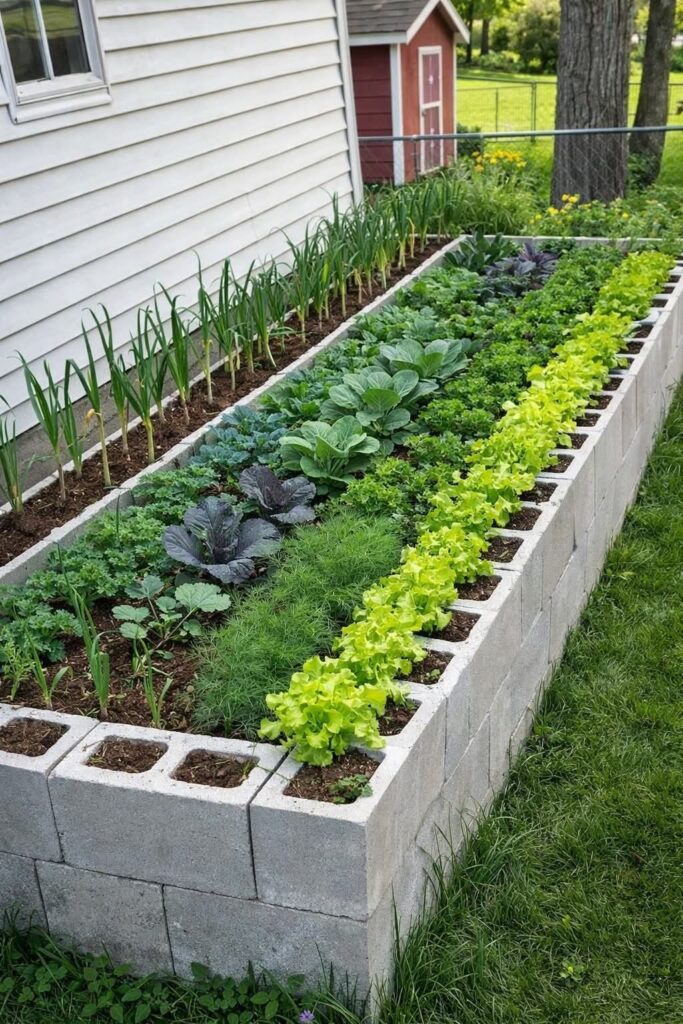
Autumn and winter gardening offers rewarding harvests with cool-season crops that thrive in shorter days, cooler temperatures, and even light frosts. These hardy vegetables often develop enhanced flavors—sweeter leaves and roots—due to the cold, while needing less water and fewer pest interventions than summer varieties.
Top Leafy Greens
Leafy greens form the backbone of winter gardens, providing quick-growing, nutrient-packed options that tolerate down to -5°C with protection.
Kale: This brassica powerhouse withstands heavy frosts, with varieties like curly or Tuscan kale sweetening dramatically in cold weather. Sow seeds in early autumn for plants that yield from November through March; harvest outer leaves to encourage regrowth. It’s rich in vitamins A, C, and K, resisting aphids better than softer greens.
Spinach: Fast-maturing (30-45 days), baby leaf spinach excels under fleece or cloches, bolting less in cool conditions. Varieties like ‘Winter Giant’ overwinter well; succession sow every two weeks for steady supply. Pair it with rocket (arugula) for peppery contrast in salads.
Swiss Chard: Colorful stems and mild leaves persist all winter; ‘Bright Lights’ adds visual appeal. It handles wet soils better than spinach and regrows vigorously after cutting.
Hardy Brassicas
Brassicas shine in autumn plantings, bulking up through winter for substantial harvests; they prefer firm soil with lime to counter clubroot disease.
Vegetable | Planting Time | Harvest Window | Key Benefits |
|---|---|---|---|
| Broccoli | Late summer | Winter to spring | Side shoots extend yield; high in sulforaphane. |
| Cabbage (Savoy) | Early autumn | Mid-winter | Crinkled leaves for texture; frost improves taste. |
| Cauliflower | Late summer | Late winter | Protect curds with leaves; self-blanching types simplify care. |
| Brussels Sprouts | Mid-autumn | Deep winter | Sweetens post-frost; pick from bottom up. |
Net against pigeons and caterpillars using fine mesh.
Root Vegetables
Roots store energy underground, enduring freezes and providing versatile staples; loosen soil deeply for straight growth.
Carrots: Autumn-sown varieties like ‘Autumn King’ overwinter in mild areas, lifting sweet roots as needed. Thin to 5cm spacing; cover with straw for insulation.
Beets: Dual-purpose (roots and greens), ‘Boltardy’ resists bolting. Sow modules in autumn for transplanting; earth up soil to prevent greening.
Radishes: Winter types like ‘Winter Daikon’ take 60 days, adding spice to salads. Intersow with slower crops for space efficiency.
Parsnips: Plant once in autumn for next winter’s crop; frost converts starches to sugars for nutty flavor. Harvest after first freeze.
Leeks and turnips also fit here, with leeks standing tall through snow.
Other Cool-Season Stars
Broaden your plot with alliums and peas:
Garlic and Onions: Plant sets in autumn for largest bulbs; overwintering boosts size.
Winter Peas: Climbing or mangetout types fix nitrogen, yielding pods under tunnels.
Lettuce and Oriental Greens: Hardy hearts like ‘Winter Density’ or mizuna fill gaps, succession-sown fortnightly.
Soil and Site Prep
Amend soil with compost in late summer for fertility; brassicas need 5.5-7 pH. Raised beds warm faster, ideal for clay soils. Full sun (6+ hours) suits most, but greens tolerate part shade.
Growing Tips
Sow leafy crops and quick roots in early autumn; transplant brassicas from modules hardened off outdoors. Mulch heavily with straw or leaves to suppress weeds and retain moisture. Use cold frames, polytunnels, or horticultural fleece for 2-3°C protection during hard frosts—ventilate on mild days. Water sparingly, focusing on dry spells; feed with liquid seaweed every 4 weeks. Rotate crops to avoid disease buildup, and companion plant with marigolds for nematodes. For backyard gardens, prioritize kale and spinach for low-maintenance, space-efficient yields matching busy routines.