
Vegetables to Plant in Spring
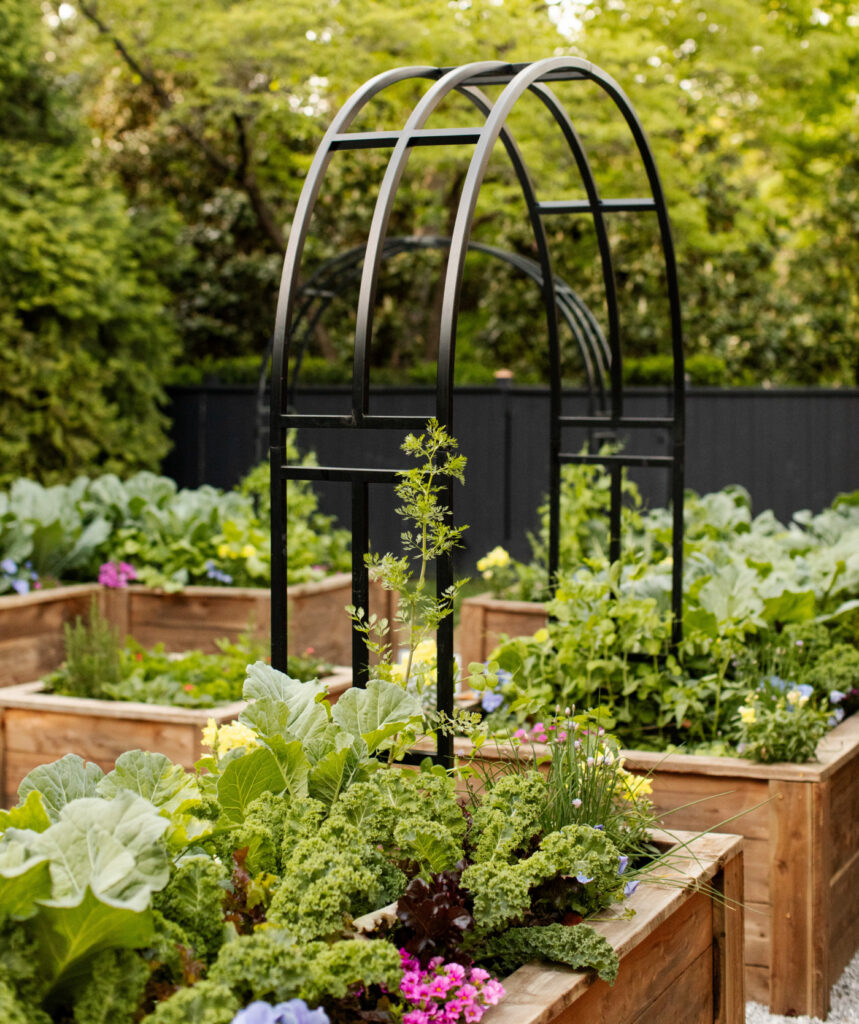
Springtime is an ideal season for planting a variety of crops, especially those that thrive in cooler, mild weather before the heat of summer sets in. Gardeners can take advantage of spring’s moderate temperatures and increasing daylight to grow nutrient-rich vegetables and herbs that establish well before the growing season peaks. Here is an overview of some of the best crops to plant in spring, suitable for different climates and gardening needs.
Cool-Season Vegetables for Spring Planting
Many of the most successful spring crops are cool-season vegetables that can tolerate mild frost and prefer cooler soil and air temperatures:
- Carrots: Easy to grow root vegetables that do well when planted directly into loose soil. They require consistent moisture and take between 50-100 days depending on variety to mature. Carrots are versatile, nutritious, and can be used raw, cooked, or juiced.
- Broccoli: A nutrient-dense brassica that grows best in cooler weather. It can be started indoors and transplanted or sown directly in early spring. Broccoli prefers fertile, well-drained soil and regular watering.
- Lettuce: Leafy greens like romaine, butterhead, and red leaf lettuce thrive in spring weather. Lettuce can be direct sown or started indoors and offers a quick turnaround with multiple harvests through cut-and-come-again methods.
- Spinach: Highly nutritious and fast-growing, spinach is another leafy green adapted to spring’s cooler temperatures. It grows well in fertile, moist soil and can be harvested within weeks of planting.
- Peas: This legume enjoys the cool spring weather and can be direct sown as soon as soil is workable. Peas often need trellising for climbing varieties and provide sweet pods for fresh eating.
- Radishes: One of the quickest crops to harvest, radishes grow rapidly in cool soil and can mature in as little as three to four weeks. They are often planted in succession for continuous picking.
- Cauliflower and Cabbage: Brassicas that do well in cool climates. These crops need a longer growing season and benefit from being planted early to mature before summer heat.
- Beetroot: A root crop that grows well in the cool, moist conditions of spring, beetroot is easy to cultivate and provides both roots and leaves for consumption.
- Kale: Hardy and frost-tolerant, kale is a prolific leafy green with improved flavor after a light frost. It is well suited for spring gardens in many climates.
Warm-Season and Transition Crops
While the main focus of spring planting is cool-weather crops, some warm-season vegetables can be started late spring or in warmer spring climates:
- Green Beans: These require warmer soil temperatures and can be planted once the risk of frost has passed, typically in late spring.
- Cucumbers and Summer Squash: These warm-season crops can be started indoors or planted outdoors after the last frost date, preferring rich, well-drained soil and ample water.
Herbs and Perennials for Spring Planting
Spring is also a great time to start herbs and perennials that will grow and produce over multiple seasons:
- Chamomile, calendula, cilantro, parsley, dill, chives, oregano, and mint are popular spring herbs either direct sown or transplanted.
- Potatoes are often planted in early spring for a summer harvest.
Tips for Successful Spring Planting
- Prepare the soil by enriching it with organic matter like compost to ensure nutrient-rich growing conditions.
- Plant cool-season crops as early as the soil can be worked to maximize the growing season.
- Follow seed packet instructions for timing relative to your local last frost date.
- Water regularly, especially during dry spells, to keep soil consistently moist but not waterlogged.
- Provide support like trellises for climbing crops such as peas.
By selecting a mix of cool-season vegetables, herbs, and some warm-season starters, gardeners can enjoy a productive spring planting season with a variety of fresh, homegrown produce. This approach applies to diverse regions including South Africa’s Cape Town climate and temperate zones where spring conditions vary but generally favor the crops listed above.
This guide provides a comprehensive starting point for planting crops in spring to maximize yield and plant health for the season ahead