
Grow Strawberries like an Expert
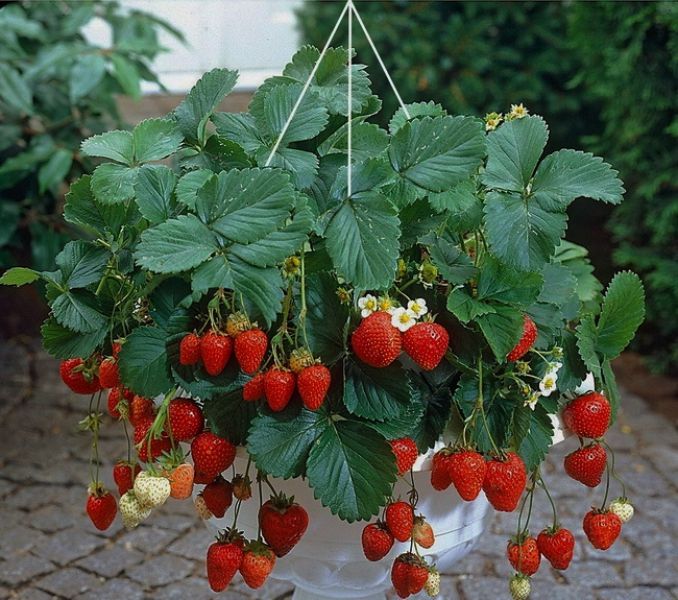
Growing your own strawberries is a rewarding experience that yields sweet, juicy berries and boosts your gardening confidence. Whether you have a spacious backyard or a compact garden, strawberries are hardy, productive, and surprisingly easy to grow with the right care. Here are practical tips to ensure a healthy and bountiful strawberry harvest.
1. Select the Right Spot
Sunshine is key: Strawberries thrive in full sun, requiring at least 6–8 hours of direct sunlight per day for the best fruiting and flavor.
Good drainage: Avoid areas where water collects after rain. Raised beds or containers work well if your ground soil drains poorly.
2. Prep the Soil
Soil type: Strawberries prefer slightly acidic soil (pH 5.5–6.8) that is rich in humus.
Amendments: Add compost, bonemeal, or a balanced organic fertilizer (like 2:3:2 or 3:1:5) before planting. For clay-heavy soil, work in organic compost and sand to improve drainage.
Bed prep: Prepare planting beds by digging in ample compost for nutrients and moisture retention.
3. Planting Your Strawberries
Timing: Plant in early spring or late summer. Dormant runners or young potted plants are best.
Spacing: Allow 14–18 inches between plants to ensure good airflow and reduce disease risk.
Planting depth: Set plants so the crown (where roots meet stems) is at soil level—too deep, and the plant may rot; too shallow, and roots may dry out.
Containers/vertical gardens: Use high-quality potting soil, and ensure good drainage. Vertical planters or hanging baskets save space and showcase runners.
4. Watering and Feeding
Regular watering: Water deeply 2–3 times a week, ideally in the morning. Avoid overhead watering to keep foliage dry and prevent fungal diseases.
Mulching: Add a thick layer of mulch—straw, pine needles, or shredded leaves—to retain moisture, suppress weeds, and keep fruit clean and off the soil.
Fertilization: Feed with a balanced, organic fertilizer in early spring and after fruiting. Everbearing varieties may need feeding every two weeks during the fruiting period.
5. Ongoing Care
Remove runners: In the first year, remove runners to channel more energy into fruit production. In subsequent years, use select runners to propagate new plants.
Keep weed-free: Weeds compete for nutrients and can harbor pests or diseases. Hand-weed regularly, especially while plants are small.
Protect your crop: Birds and slugs love strawberries too. Use netting to cover ripening fruit and keep pests away5.
6. Harvesting and Rejuvenation
Pick often: Harvest fruit as soon as they ripen—fully red, shiny, and sweetly fragrant.
Replace old plants: Beds last up to 3–4 years before yield drops. Replace plants and rotate beds to avoid soil-borne diseases.
Common Mistakes to Avoid
Planting crowns too deep or too shallow.
Overwatering or poorly drained soil causing root rot.
Crowding plants, encouraging pests and fungal disease.
Letting weeds and runners take over.
Extra Tips
Start from seeds: Alpine strawberries can be grown from seed, though germination can be slow. Start indoors in trays if you’d like to try this route.
Container care: Pots and hanging baskets dry out quickly; water more frequently as needed.
Winter care: In cold climates, mulch heavily over winter to protect roots from frost.
Growing strawberries at home is a delightful journey from planting to picking. With the right site, good soil, and attentive care, you’ll enjoy juicy, homegrown berries season after season.