
Fruit Trees Suitable For Any Backyard
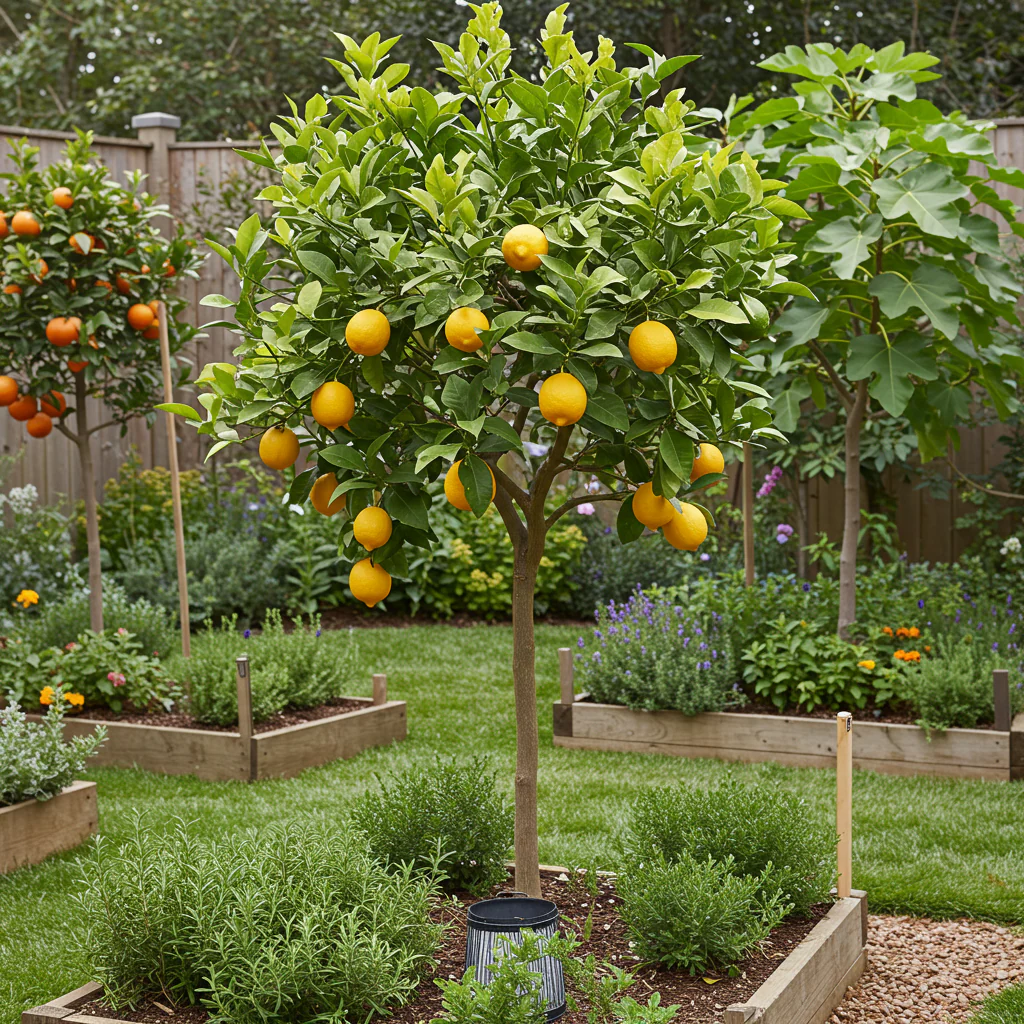
Fruit trees are a fantastic addition to any regular backyard, offering fresh produce and beauty with manageable space needs. Dwarf and semi-dwarf varieties fit well in suburban gardens, typically requiring 10-15 feet of space.
Recommended Varieties
Focus on low-maintenance, productive types suited to backyards. These thrive in warm climate region.
Tree Type | Mature Height | Zones | Key Features | Pollination Needs |
|---|---|---|---|---|
| Fig (e.g., Brown Turkey) | 10-15 ft | 5-11 | Sweet fruit twice yearly; drought-tolerant | Self-fertile |
| Pear (e.g., Kieffer) | 12-18 ft | 4-9 | Fire blight-resistant; crisp for eating or canning | Self-fertile |
| Apple (e.g., Anna) | 10-15 ft | 5-10 | Low-chill for warmer areas; juicy harvests | Needs pollinator pair |
| Lemon (e.g., Meyer) | 8-12 ft | 8-11 | Year-round fruit; fragrant blooms | Self-fertile |
| Plum (e.g., Santa Rosa) | 12-15 ft | 5-9 | Juicy, early fruit; ornamental | Self-fertile |
Site Preparation
Pick a sunny spot with 6-8 hours of light daily and well-drained soil (pH 6.0-7.0). Test drainage: dig a hole, fill with water, and confirm it drains in 2-4 hours. Avoid frost pockets; ensure good airflow. Space trees 10-20 feet apart based on variety.
Planting Instructions
Plant in early spring or fall when soil is workable.
Dig a hole twice as wide and as deep as the root ball; loosen base soil.
Mix compost or manure into excavated soil; form a mound in the hole center.
Position tree so graft union sits 2-4 inches above soil line; spread roots over mound.
Backfill with soil, firming to eliminate air pockets; avoid fertilizer contact with roots.
Stake if windy: drive stake 18 inches deep, tie loosely with rubber buffer.
Water deeply; mulch 2-3 inches thick around base, keeping off trunk.
For bare-root trees, soak roots first and plant immediately.
Care Routine
Establish strong growth with consistent habits tailored to types.
Watering: Deeply weekly first 1-2 years (1-2 inches); reduce later. Figs and citrus tolerate dry spells.
Fertilizing: Spring application of balanced (10-10-10) or high-potassium feed; avoid excess nitrogen.
Pruning: Late winter, remove dead/crossing branches; open center for light/air. Thin fruit for larger yields.
Pest Control: Monitor aphids/scale; use neem oil or insecticidal soap. Net birds near harvest.
Harvesting
Pick figs when drooping and soft; pears off-tree when mature. Apples/plums when colored and sweet-smelling. Expect yields in 1-5 years.